
Call us
301-363-4651 (Available 9 a.m. to 5 p.m. CST from Monday to Friday)

| Code | CSB-RA009514MA2HU |
| Size | US$210 |
| Order now | |
| Image |
|
| Have Questions? | Leave a Message or Start an on-line Chat |
| Application | Recommended Dilution |
|---|---|
| IF | 1:50-1:200 |
GLP1R (glucagon-like peptide-1 receptor) serves as a critical G protein-coupled receptor in metabolic regulation, playing a central role in glucose homeostasis, insulin secretion, and appetite control. Its expression in pancreatic beta cells, the central nervous system, and cardiovascular tissues has made it a prime therapeutic target for type 2 diabetes and obesity research, while emerging studies continue to explore its neuroprotective potential and cardiovascular benefits.
This recombinant monoclonal antibody (clone 27A10) offers researchers the reproducibility advantages inherent to sequence-defined production. Unlike traditional hybridoma-derived antibodies, recombinant technology ensures consistent performance across lots, eliminating the variability that can compromise longitudinal studies or multi-site collaborations. The human IgG1 isotype format and affinity chromatography purification deliver a reagent optimized for demanding experimental workflows.
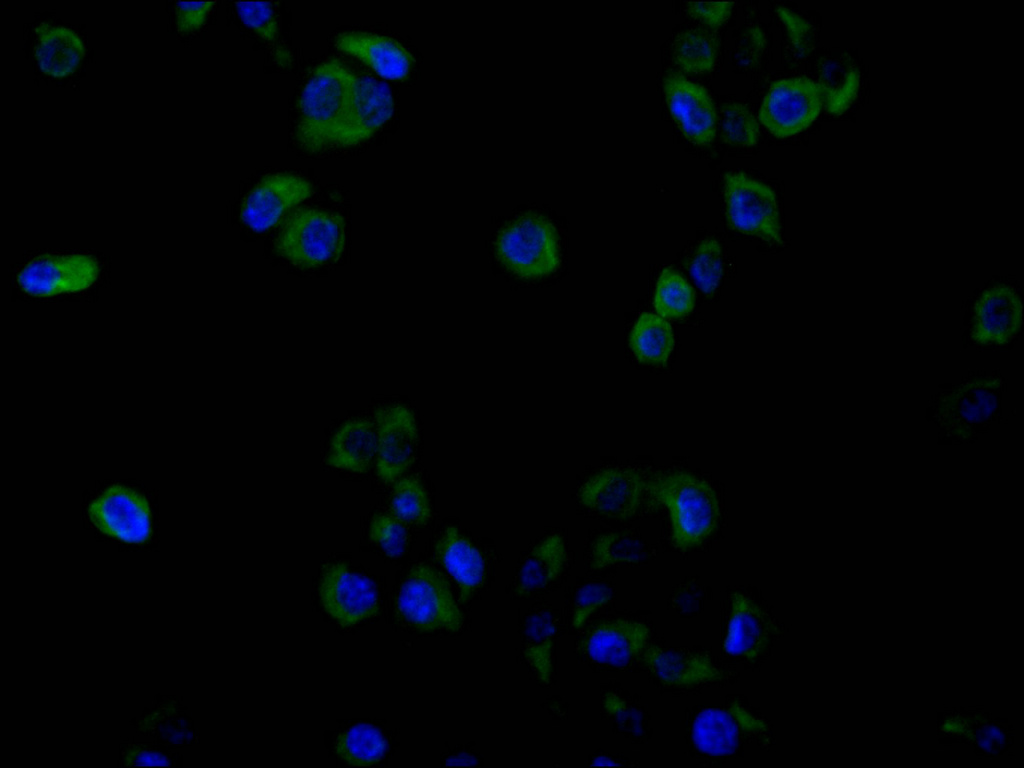
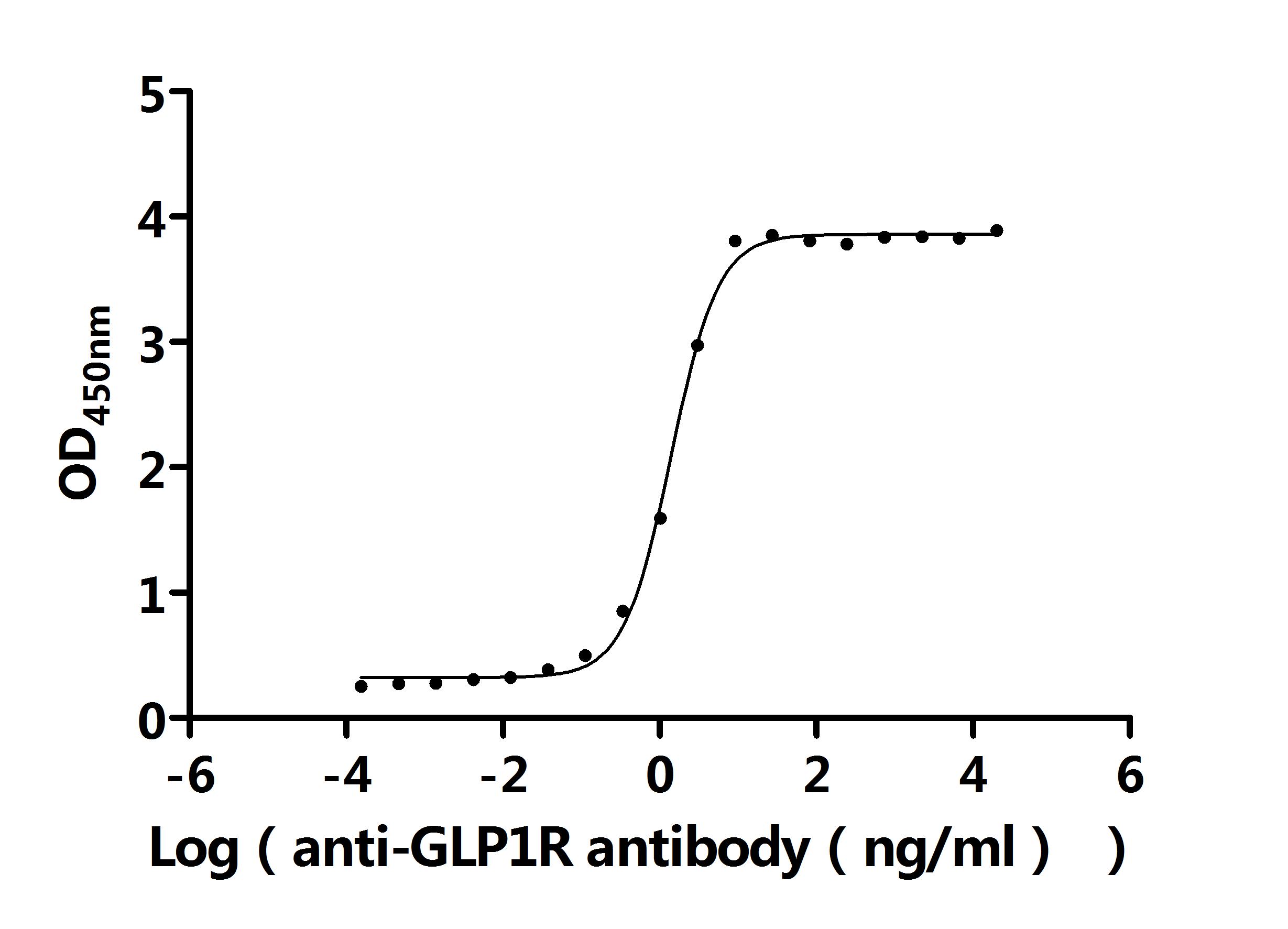
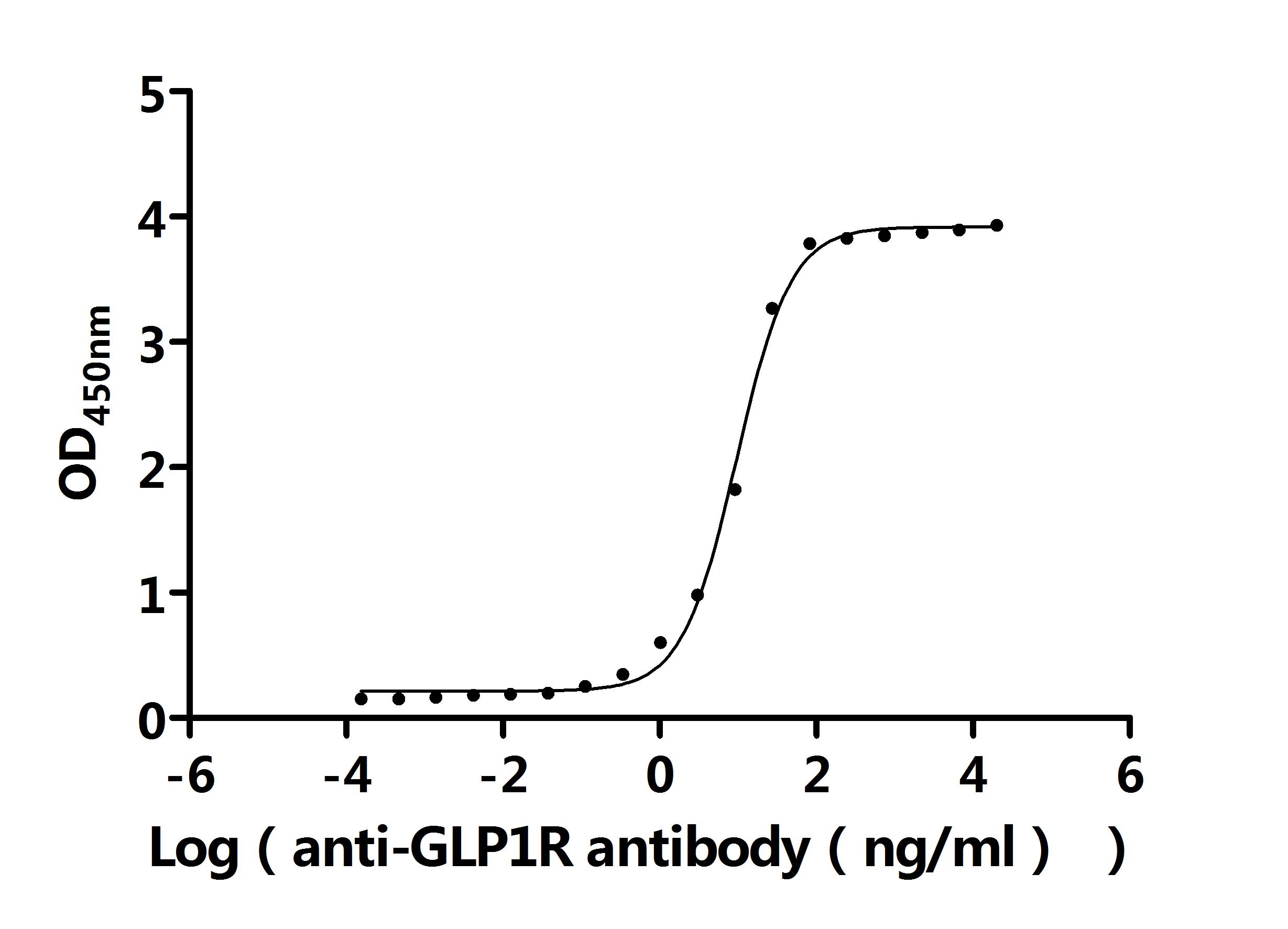
Validation studies demonstrate robust cross-species reactivity spanning human, rat, and cynomolgus macaque samples, providing valuable flexibility for translational research models. Functional ELISA binding assays confirm high-affinity target engagement, with EC50 values of 1.292–1.518 ng/mL against immobilized Macaca fascicularis GLP1R and 8.630–10.66 ng/mL against rat Glp1r. Immunofluorescence applications have been validated in HeLa cells at dilutions of 1:30–1:200, revealing clear cytoplasmic and membrane-associated staining patterns consistent with GLP1R's localization as a cell surface receptor.
Whether investigating incretin signaling pathways, characterizing GLP1R expression in metabolic disease models, or exploring receptor distribution in neural or cardiac tissues, this antibody provides a reliable tool for neuroscience, cardiovascular, and metabolism research programs requiring consistent, well-characterized detection of this therapeutically important target.
There are currently no reviews for this product.





