
Call us
301-363-4651 (Available 9 a.m. to 5 p.m. CST from Monday to Friday)

| Code | CSB-RA010829MA1HU |
| Size | US$210 |
| Order now | |
| Image |
|
| Have Questions? | Leave a Message or Start an on-line Chat |
| Application | Recommended Dilution |
|---|---|
| WB | 1:500-1:2000 |
| IHC | 1:50-1:200 |
| IF | 1:50-1:200 |
| FC | 1:50-1:200 |
HSPA8, also known as heat shock cognate 71 kDa protein or HSC70, serves as a constitutively expressed molecular chaperone essential for protein folding, trafficking, and degradation pathways. Unlike its stress-inducible counterparts, HSPA8 maintains cellular proteostasis under normal conditions while also participating in clathrin-mediated endocytosis and chaperone-mediated autophagy. Its involvement in these fundamental processes makes it a valuable marker for studies investigating protein quality control, cellular stress responses, and neurodegenerative disease mechanisms.
This recombinant monoclonal antibody, developed using clone 2G8F6, offers the consistency and reproducibility that demanding research applications require. Because the antibody sequence is defined and production occurs in controlled recombinant systems, researchers can expect reliable performance across experiments and between lots, eliminating the variability often encountered with traditional hybridoma-derived antibodies.
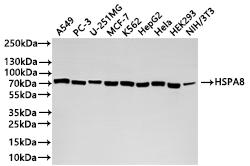
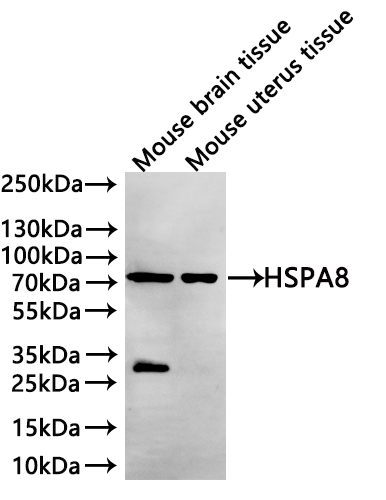
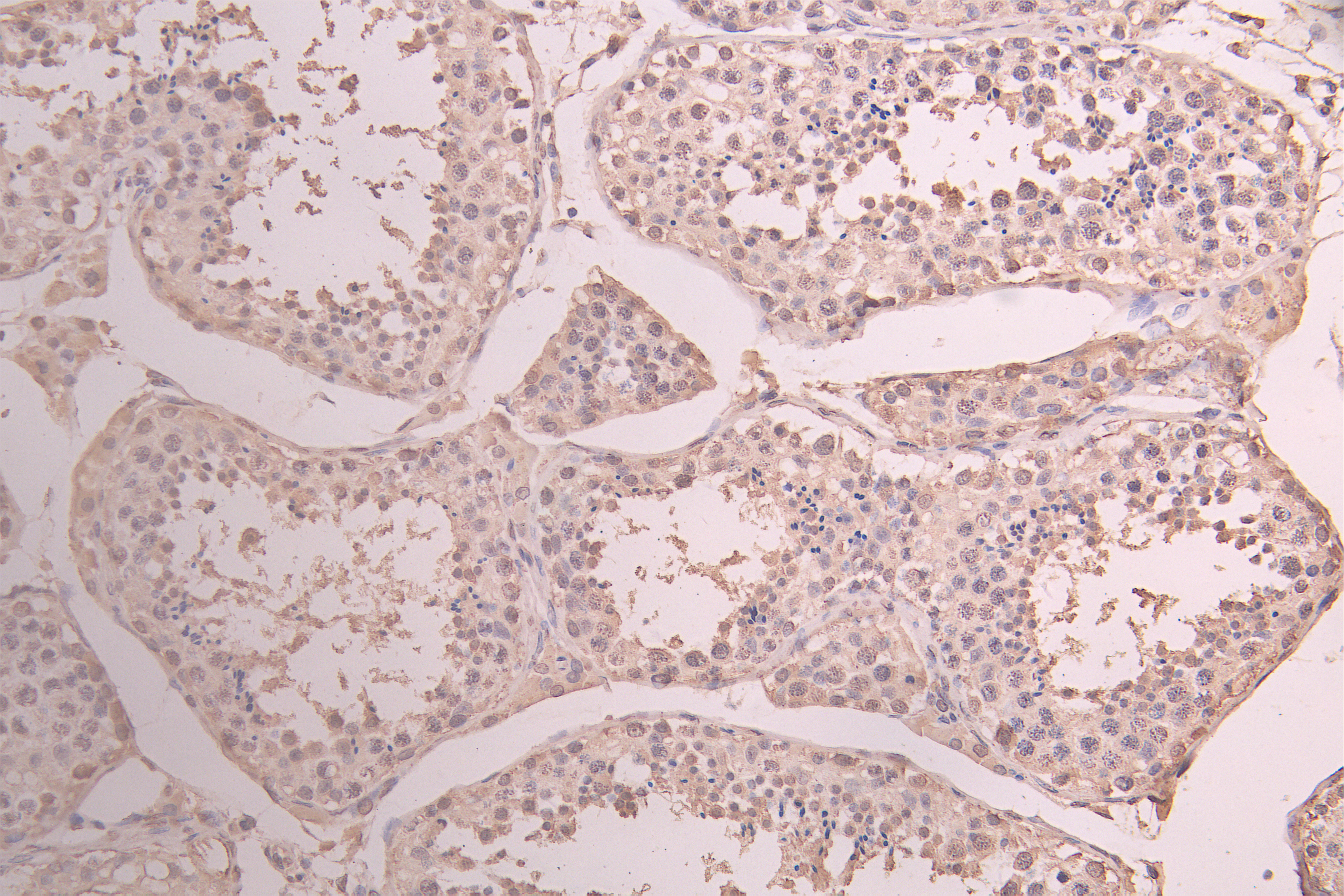
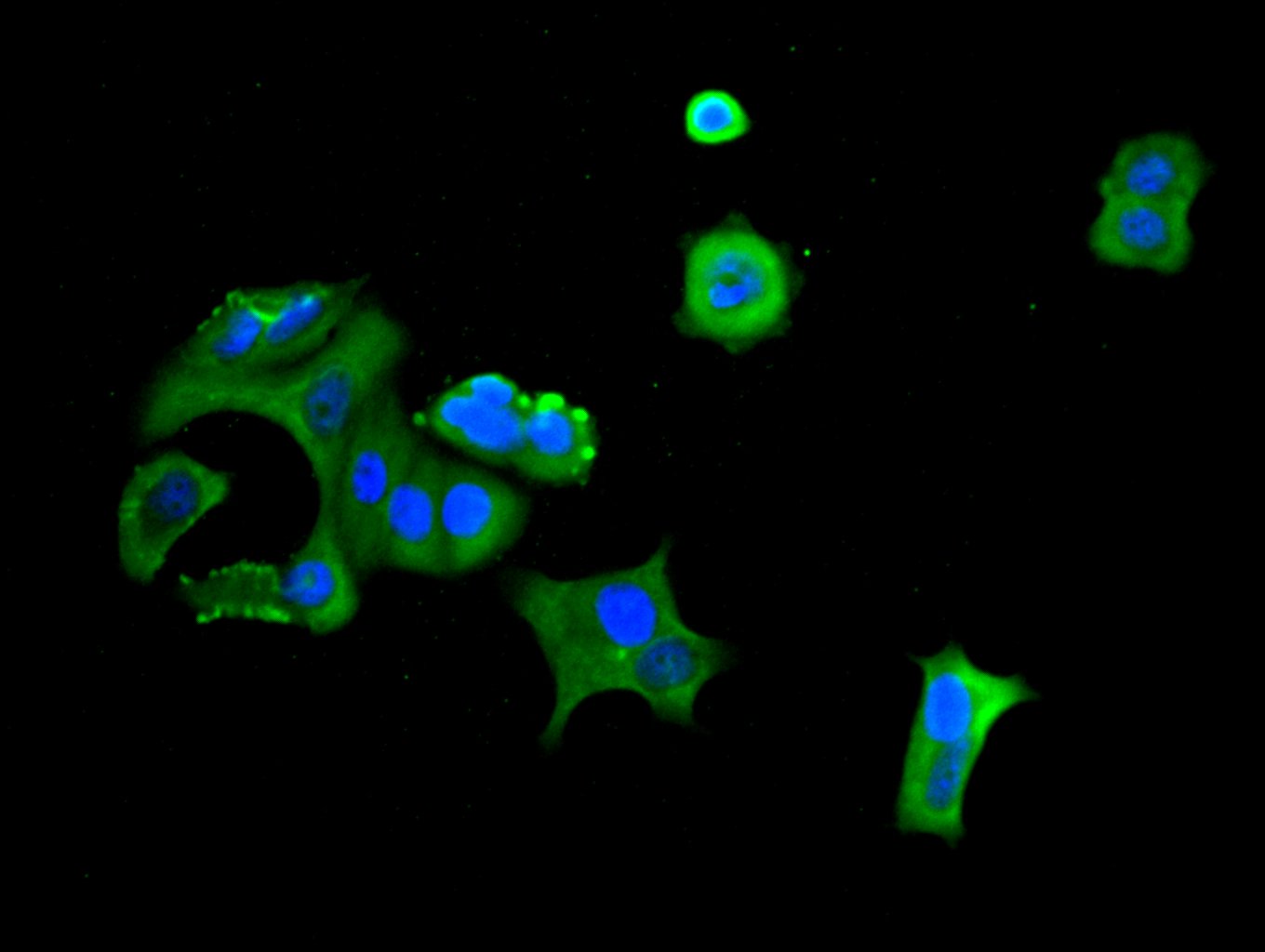
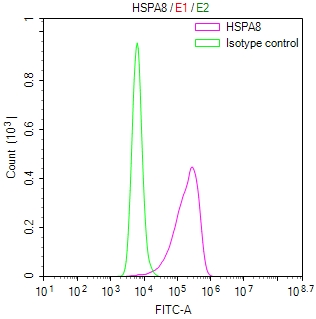
Extensive validation demonstrates this antibody's versatility across multiple experimental platforms. Western blot analysis confirms specific detection at the expected 71 kDa molecular weight across diverse human cell lines including A549, PC-3, U-251MG, MCF-7, K562, HepG2, HeLa, and HEK293, with cross-species reactivity confirmed in mouse NIH/3T3 cells as well as mouse brain and uterus tissue lysates. Immunohistochemistry validation in human testis tissue shows clear staining patterns, while immunofluorescence studies in MCF-7 cells reveal the expected cytoplasmic localization. Flow cytometry analysis using THP-1 cells further demonstrates the antibody's utility for single-cell applications.
This antibody supports researchers investigating protein homeostasis, autophagy mechanisms, and stress response pathways, providing a reliable tool for both basic research and translational studies where consistent target detection is paramount.
There are currently no reviews for this product.





