
Call us
301-363-4651 (Available 9 a.m. to 5 p.m. CST from Monday to Friday)

| Code | CSB-RA014666MA1HU |
| Size | $49.9 |
| Order now | |
| Promotion |

|
| Image |
|
| Have Questions? | Leave a Message or Start an on-line Chat |
| Application | Recommended Dilution |
|---|---|
| IHC | 1:50-1:200 |
Matrix metalloproteinase-2 (MMP2), also known as gelatinase A or 72 kDa type IV collagenase, plays a central role in extracellular matrix remodeling through its ability to degrade type IV collagen, a major component of basement membranes. This enzymatic activity positions MMP2 as a critical mediator in processes ranging from normal tissue development and wound healing to pathological conditions including tumor invasion, metastasis, and angiogenesis. Understanding MMP2 expression patterns and localization provides valuable insights into disease progression and potential therapeutic targets.
This recombinant monoclonal antibody, clone 20F9, offers researchers the consistency and reliability that comes with sequence-defined production. Unlike traditional hybridoma-derived antibodies, recombinant technology ensures that every lot performs identically to the last, eliminating the variability that can compromise longitudinal studies or multi-site collaborations. The antibody was generated against recombinant human MMP2 protein and is validated for human sample detection.
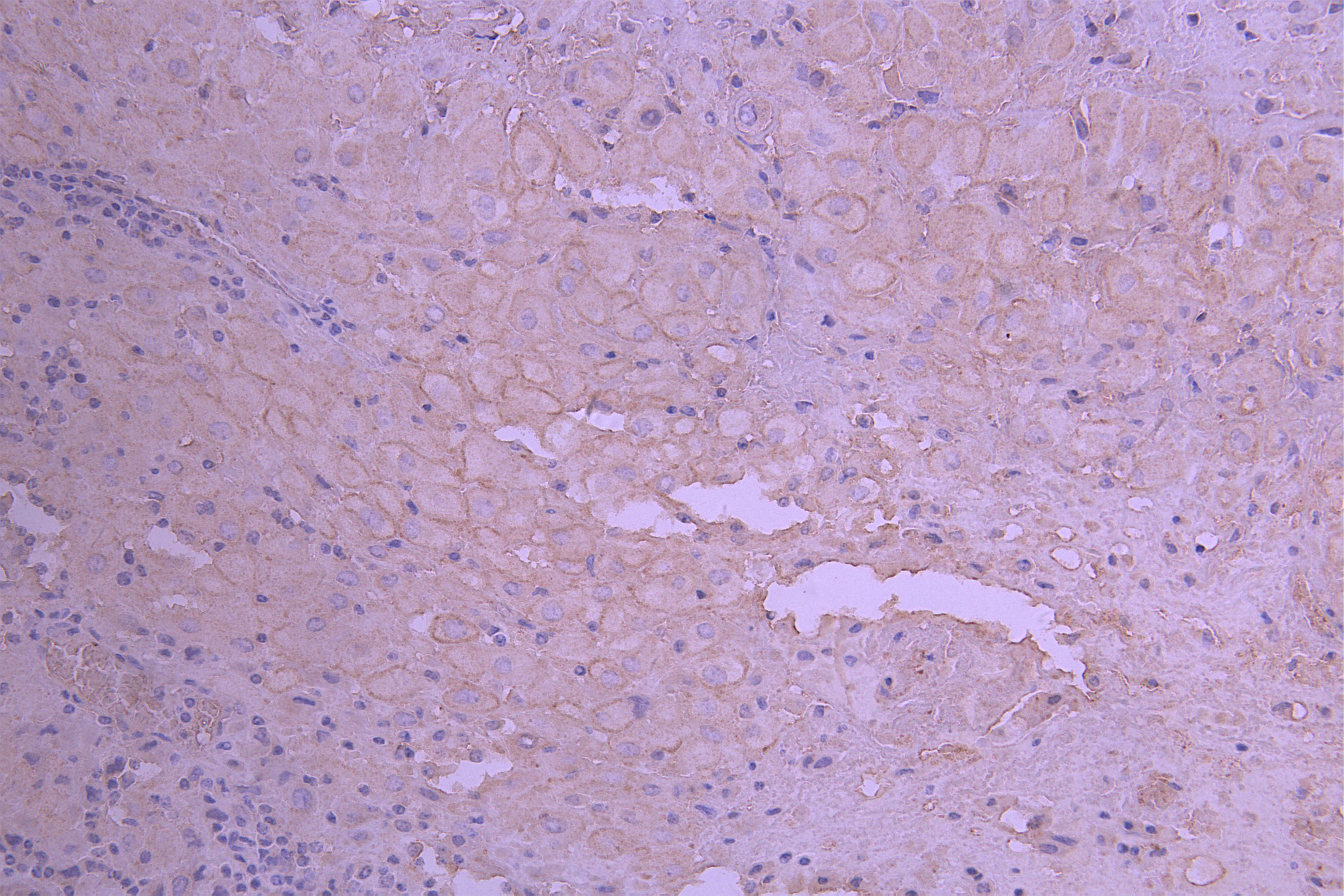
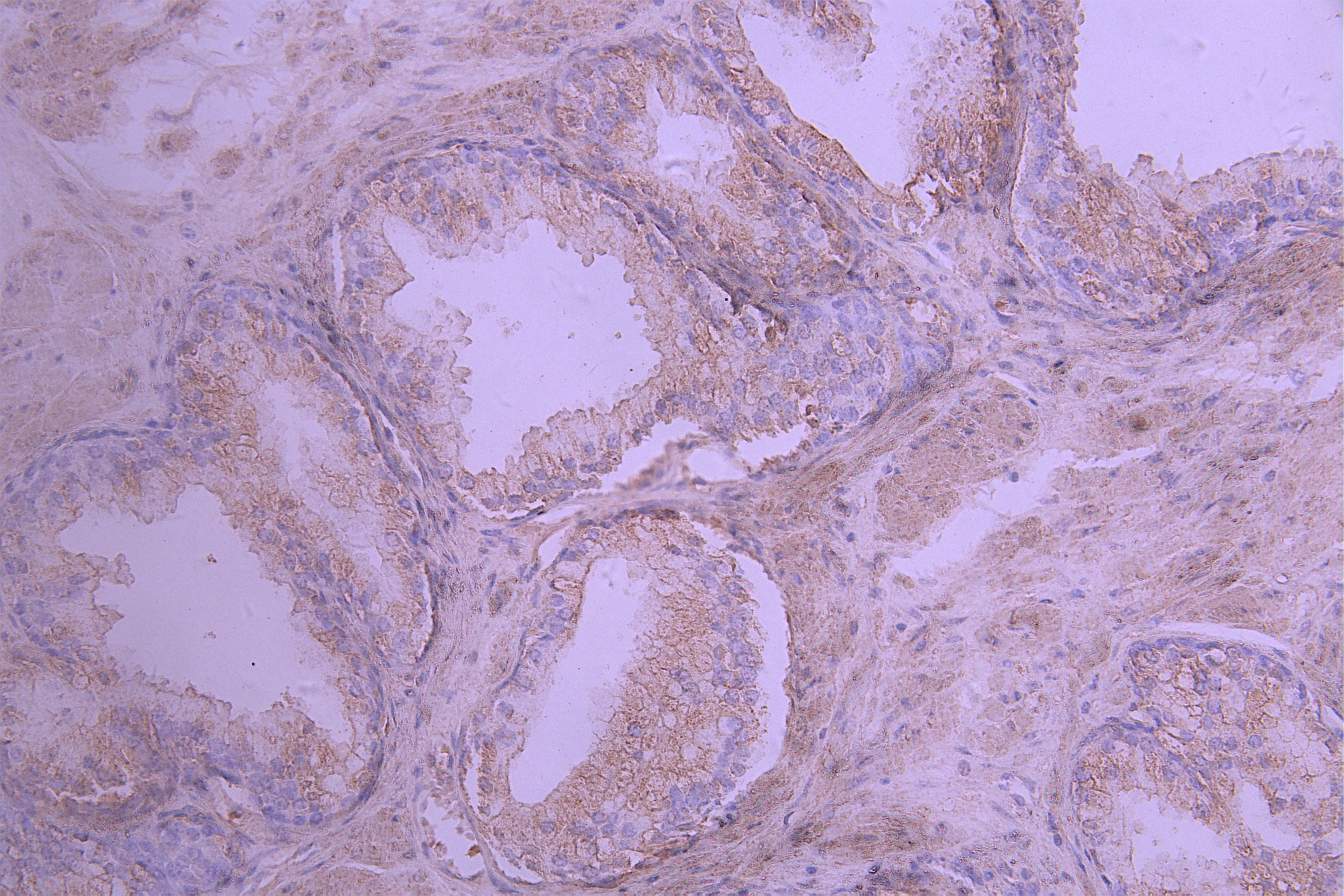
Immunohistochemistry validation demonstrates robust performance across tissue types with distinct biological relevance. Testing in paraffin-embedded human placenta tissue confirms detection in a context where MMP2 contributes to trophoblast invasion and vascular remodeling during implantation. Validation in human prostate cancer tissue showcases the antibody's utility in oncology research, where MMP2 overexpression correlates with invasive potential and disease progression. Both applications performed optimally at 1:50 to 1:200 dilutions using citrate buffer antigen retrieval.
Supplied in a glycerol-based PBS buffer with long-term stability at -20°C or -80°C, this antibody supports researchers investigating tumor microenvironment dynamics, metastatic mechanisms, tissue remodeling disorders, and developmental biology where MMP2-mediated matrix degradation influences cellular behavior and disease outcomes.
There are currently no reviews for this product.





