
Call us
301-363-4651 (Available 9 a.m. to 5 p.m. CST from Monday to Friday)

| Code | CSB-RA167614A0HU |
| Size | US$210 |
| Order now | |
| Image |
|
| Have Questions? | Leave a Message or Start an on-line Chat |
| Application | Recommended Dilution |
|---|---|
| WB | 1:500-1:2000 |
| IHC | 1:50-1:200 |
| IF | 1:50-1:200 |
| FC | 1:50-1:200 |
Protein phosphatase 1 catalytic subunit beta (PPP1CB) serves as a critical regulator of cellular signaling, functioning as one of the major serine/threonine phosphatases that counterbalances kinase activity across diverse biological processes. This enzyme participates in glycogen metabolism, cell cycle progression, muscle contractility, and neuronal signaling, making it an essential target for researchers investigating phosphorylation-dependent regulatory networks and disease mechanisms.
This recombinant monoclonal antibody, generated from rabbit host and produced using recombinant technology, offers the consistency and reproducibility that demanding experimental workflows require. Unlike traditional hybridoma-derived antibodies, recombinant production ensures sequence-defined specificity and eliminates the lot-to-lot variability that can compromise longitudinal studies. The monoclonal nature of clone 14E4 provides single-epitope recognition, delivering reliable results across extended research programs.
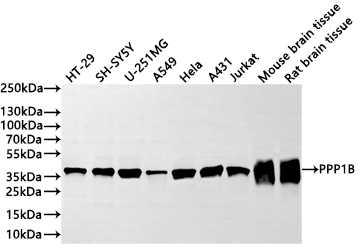
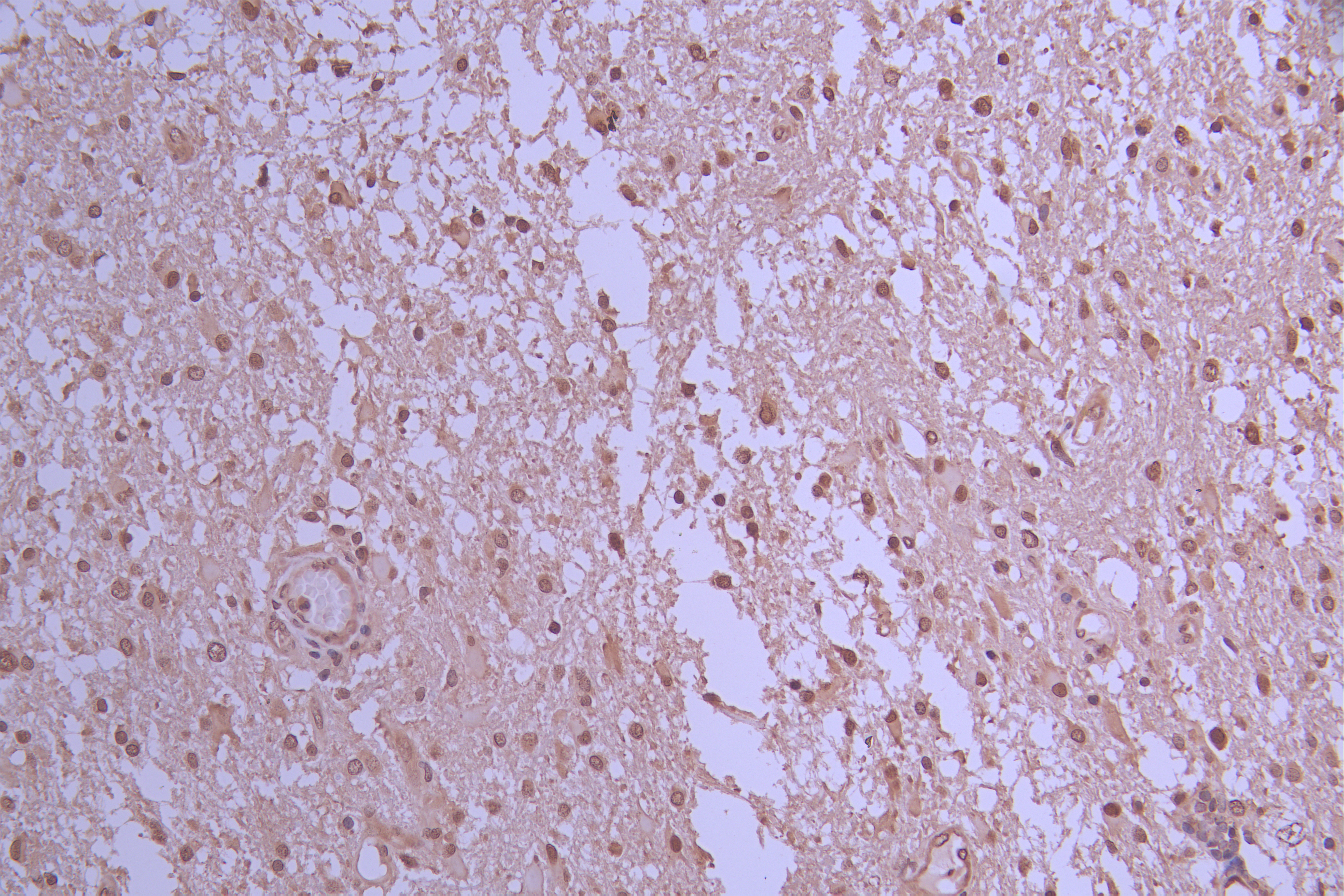
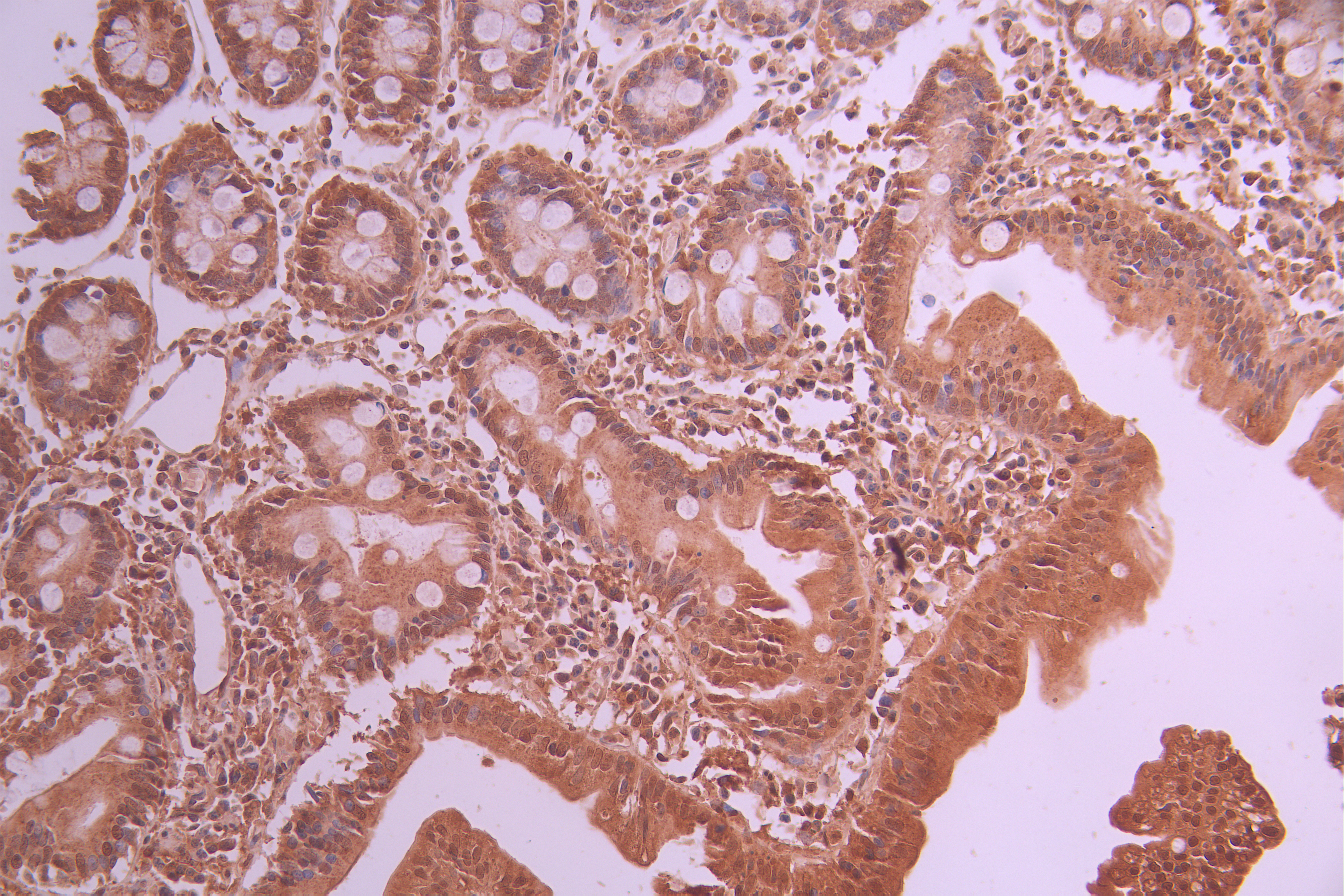
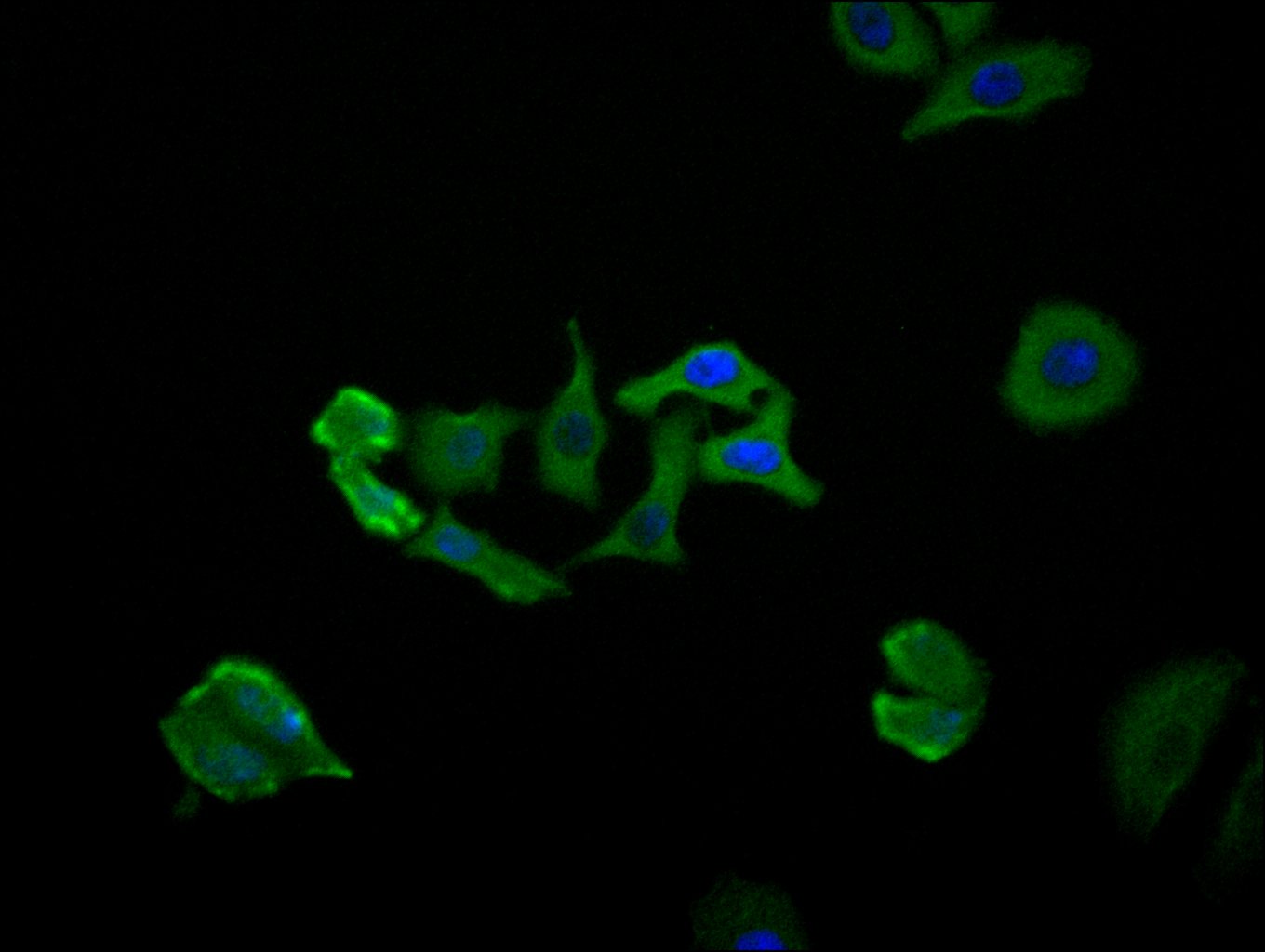
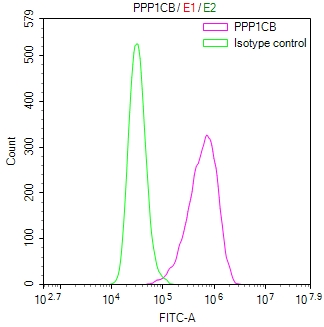
Validation data demonstrates robust performance across multiple applications and sample types. Western blot analysis detects a clean band at the predicted 37 kDa molecular weight across an extensive panel of human cell lines including HT-29, SH-SY5Y, U-251MG, A549, HeLa, A431, and Jurkat cells. Cross-species reactivity with mouse and rat is confirmed through successful detection in brain tissue lysates from both species, expanding utility for translational studies and animal model research. Immunohistochemistry validation in human glioma cancer and small intestine tissue sections demonstrates effective performance in FFPE samples. Additional characterization includes immunofluorescence staining in HeLa cells showing clear cytoplasmic localization, while flow cytometry analysis confirms suitability for single-cell applications.
This antibody supports investigations into phosphatase biology, cancer signaling, neurodegeneration research, and metabolic regulation where PPP1CB function is implicated.
There are currently no reviews for this product.





