
Call us
301-363-4651 (Available 9 a.m. to 5 p.m. CST from Monday to Friday)

| Code | CSB-RA297595A0HU |
| Size | US$210 |
| Order now | |
| Image |
|
| Have Questions? | Leave a Message or Start an on-line Chat |
| Application | Recommended Dilution |
|---|---|
| WB | 1:500-1:2000 |
| IHC | 1:50-1:200 |
| IF | 1:50-1:200 |
| FC | 1:50-1:200 |
TBPL1, also known as TBP-like protein 1 or TRF2, represents a fascinating alternative to the canonical TATA-box binding protein in transcriptional regulation. This transcription factor plays essential roles in specific developmental contexts and cellular differentiation programs, making it a compelling target for researchers investigating gene regulation mechanisms, particularly in germ cell development and certain cancer contexts where TBPL1 expression patterns may be altered.
This recombinant monoclonal antibody, clone 5G7, offers the reproducibility that demanding experimental workflows require. Generated against a synthetic peptide derived from human TBPL1 and produced using recombinant technology, this antibody provides the sequence-defined consistency that ensures your results remain comparable across experiments and over time, eliminating the lot-to-lot variability that can complicate long-term studies.
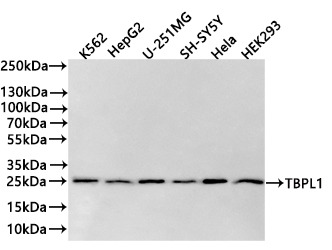
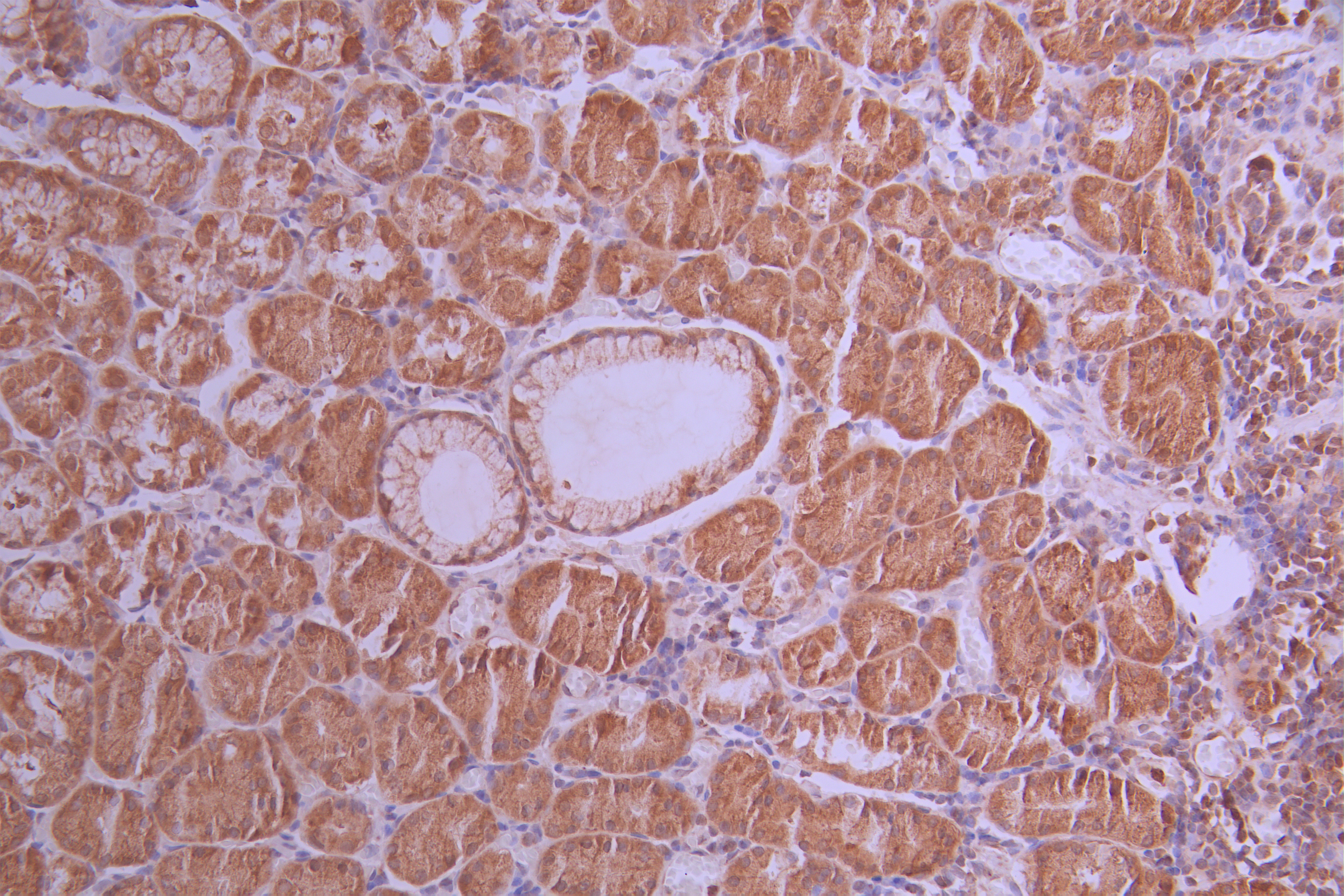
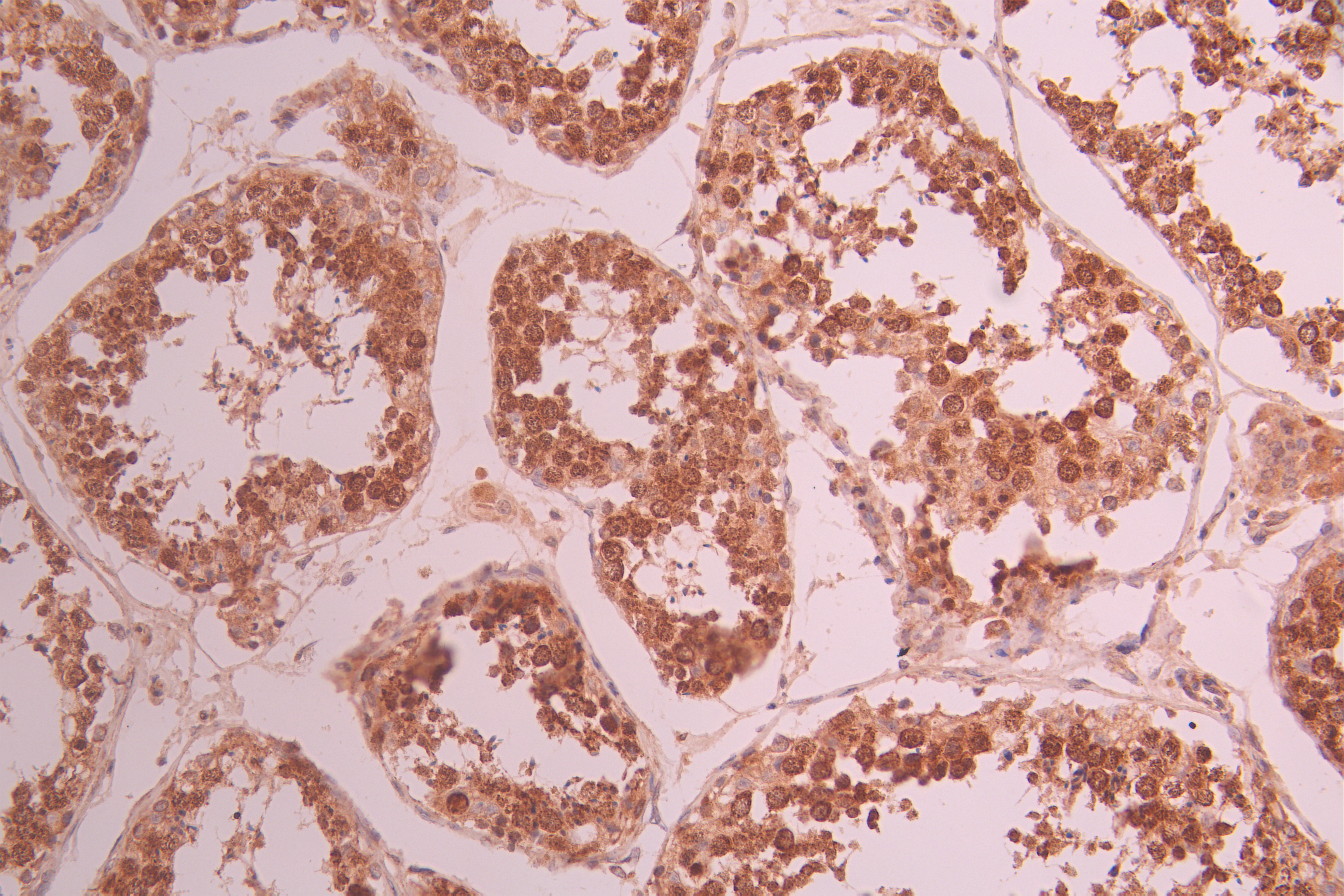
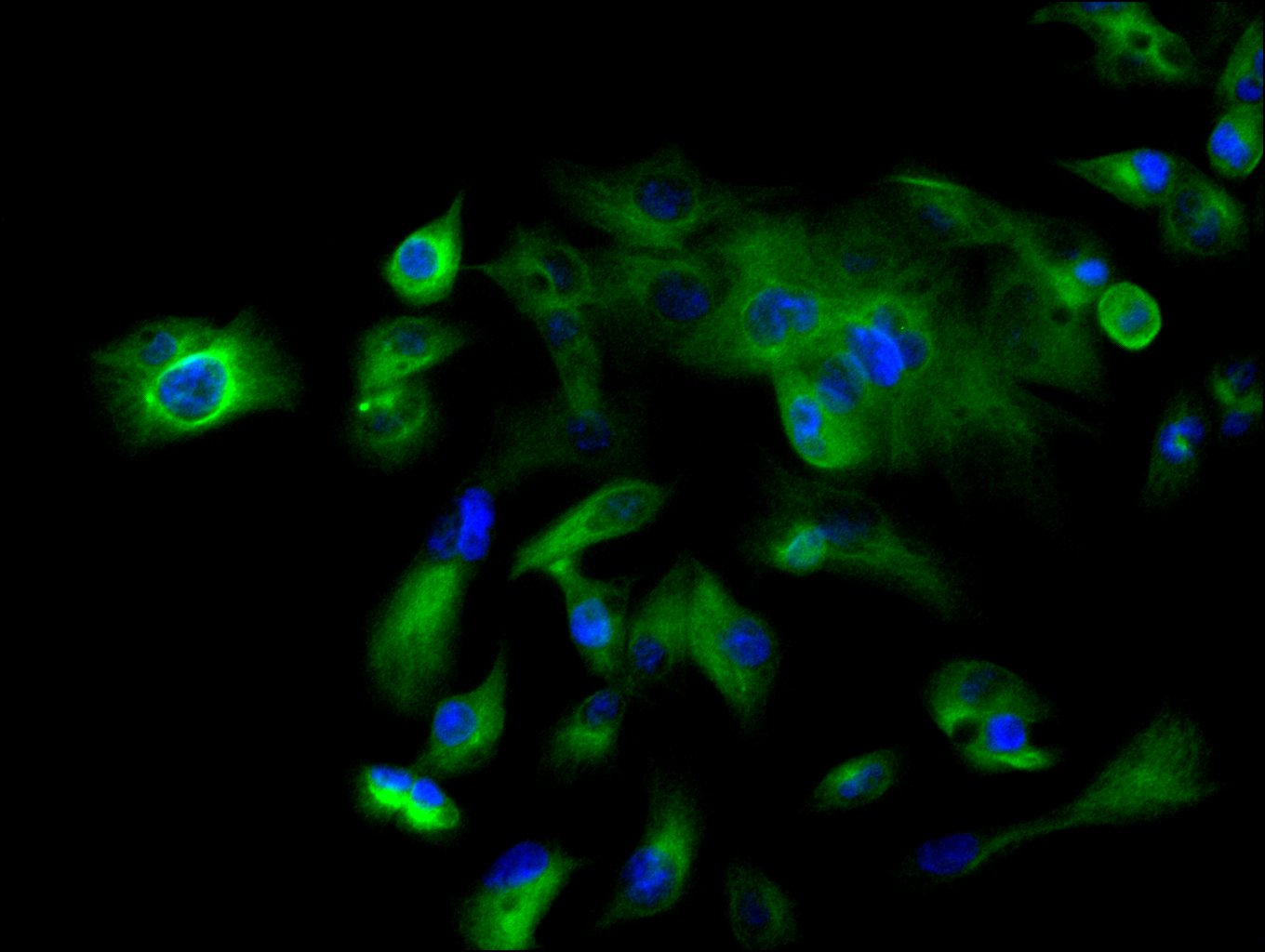
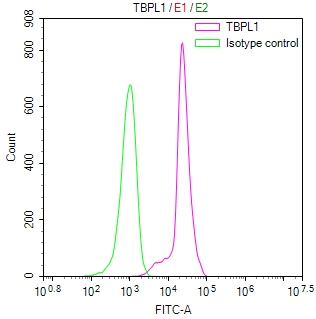
Validation across multiple platforms demonstrates genuine experimental flexibility. Western blot analysis confirms robust detection in diverse human cell lines including K562, HepG2, U251MG, SH-SY5Y, HeLa, and 293T lysates, with an observed band at approximately 23 kDa. The slight shift from the predicted 21 kDa molecular weight likely reflects post-translational modifications common to transcription factors. Immunohistochemistry validation in human gastric cancer and testis tissue sections reveals clear staining patterns, while immunofluorescence in HepG2 cells and flow cytometry analysis in SH-SY5Y cells further confirm the antibody's versatility for cellular localization and quantitative studies.
Whether you're exploring TBPL1's role in tissue-specific transcription, investigating its involvement in oncogenic processes, or characterizing its expression patterns during differentiation, this antibody provides a reliable tool for advancing your research into this important transcriptional regulator.
There are currently no reviews for this product.





