
Call us
301-363-4651 (Available 9 a.m. to 5 p.m. CST from Monday to Friday)

| Code | CSB-RA970289A0HU |
| Size | US$210 |
| Order now | |
| Image |
|
| Have Questions? | Leave a Message or Start an on-line Chat |
| Application | Recommended Dilution |
|---|---|
| WB | 1:500-1:5000 |
| IHC | 1:50-1:200 |
| IF | 1:20-1:200 |
| IP | 1:200-1:1000 |
Galectin-3, encoded by the LGALS3 gene, is a versatile beta-galactoside-binding lectin that plays critical roles in cell adhesion, proliferation, apoptosis, and immune regulation. This multifunctional protein has emerged as a significant research target in neuroscience and cell biology, with particular relevance to studies of inflammation, fibrosis, and cancer progression where its expression patterns often correlate with disease states.
This recombinant monoclonal antibody, clone 4E1, offers the consistency and reliability that demanding research protocols require. Produced using recombinant technology in rabbit host, it provides sequence-defined specificity against human Galectin-3, ensuring reproducible results across experiments and eliminating the lot-to-lot variability that can compromise longitudinal studies.
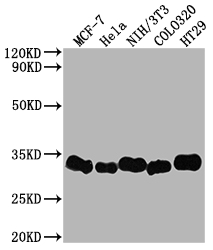
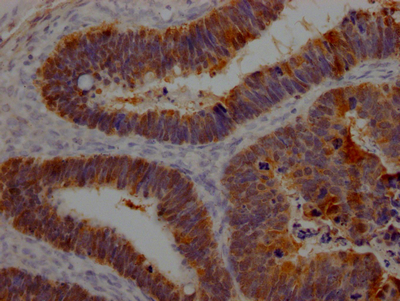
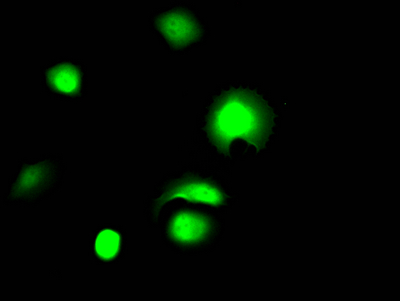
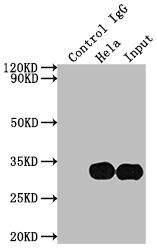
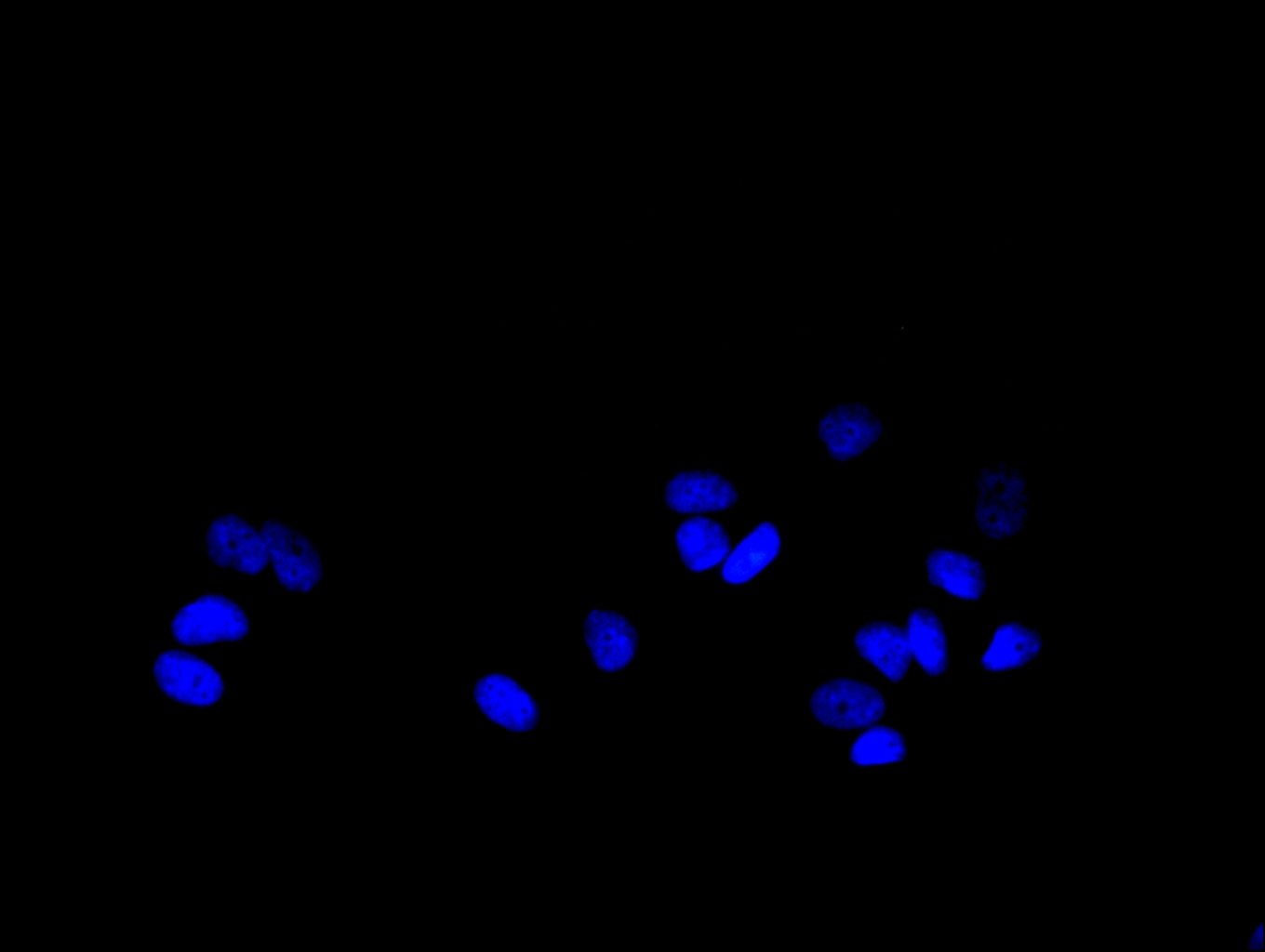
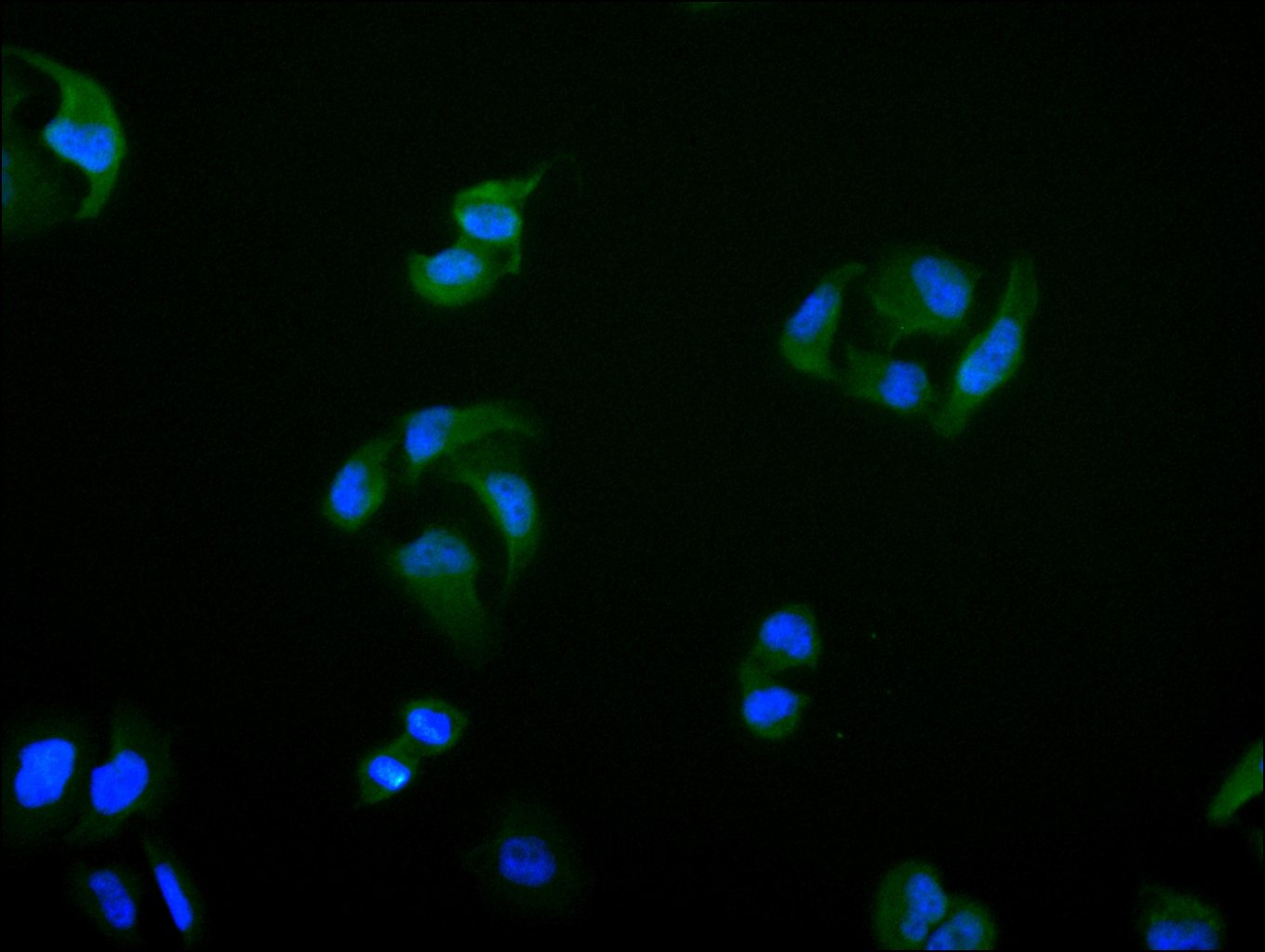
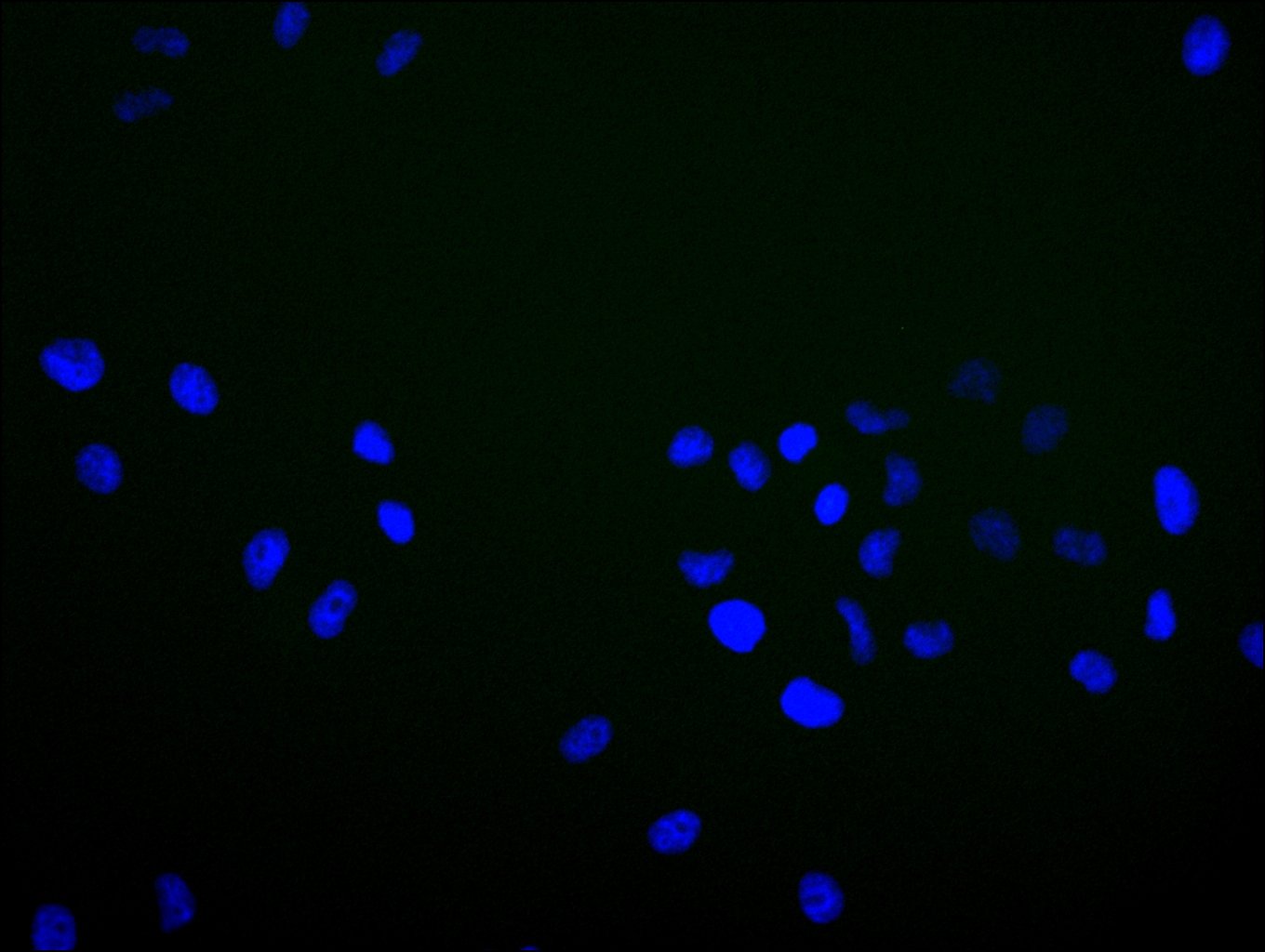
Extensive validation demonstrates this antibody's versatility across multiple experimental platforms. Western blot analysis confirms robust detection in diverse human cell lines including MCF-7, HeLa, Colo320, and HT29, as well as mouse NIH/3T3 cells, with an observed band at approximately 31 kDa. The slight difference from the predicted 27 kDa molecular weight likely reflects post-translational modifications, particularly glycosylation, which is characteristic of this lectin family member. Immunohistochemistry validation in paraffin-embedded human ovarian cancer tissue demonstrates clear staining with standard citrate buffer antigen retrieval protocols. Immunofluorescence studies in MCF-7 cells reveal distinct cellular localization patterns, while immunoprecipitation from HeLa lysates confirms the antibody's capacity for protein complex isolation studies.
Whether investigating Galectin-3's role in tumor microenvironment modulation, neuroinflammatory processes, or cellular signaling pathways, this antibody provides researchers with a dependable tool supported by comprehensive application data across immunoassay, blotting, imaging, and protein interaction workflows.
There are currently no reviews for this product.





