
Call us
301-363-4651 (Available 9 a.m. to 5 p.m. CST from Monday to Friday)

| Code | CSB-RA017739MA1HU |
| Size | US$210 |
| Order now | |
| Image |
|
| Have Questions? | Leave a Message or Start an on-line Chat |
| Application | Recommended Dilution |
|---|---|
| WB | 1:1000-1:5000 |
| IHC | 1:20-1:200 |
| FC | 1:20-1:200 |
Podoplanin (PDPN) is a small mucin-type transmembrane glycoprotein that plays critical roles in lymphatic vessel development, platelet aggregation, and cell migration. Its expression patterns make it an important marker in cancer research, where elevated PDPN levels have been associated with tumor invasion and metastasis through its interaction with the platelet receptor CLEC-2. Additionally, PDPN serves as a well-established marker for lymphatic endothelial cells and certain specialized cell populations, making it valuable for studies spanning cardiovascular biology, developmental research, and oncology.
This recombinant monoclonal antibody, clone 34B4, offers the reproducibility and consistency that demanding research protocols require. Generated against recombinant human PDPN protein and produced using recombinant technology, this antibody provides sequence-defined specificity with minimal lot-to-lot variation, ensuring your experimental results remain comparable across studies and over time.
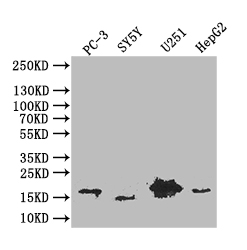
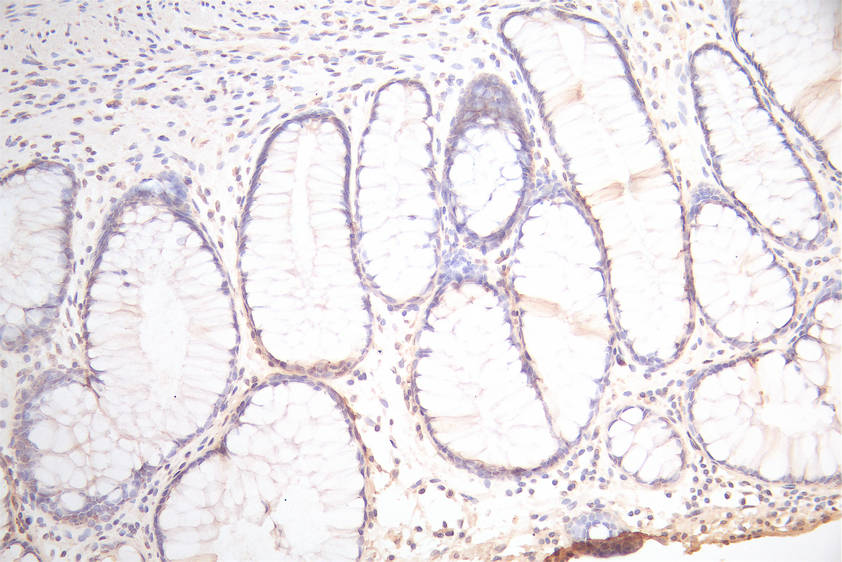
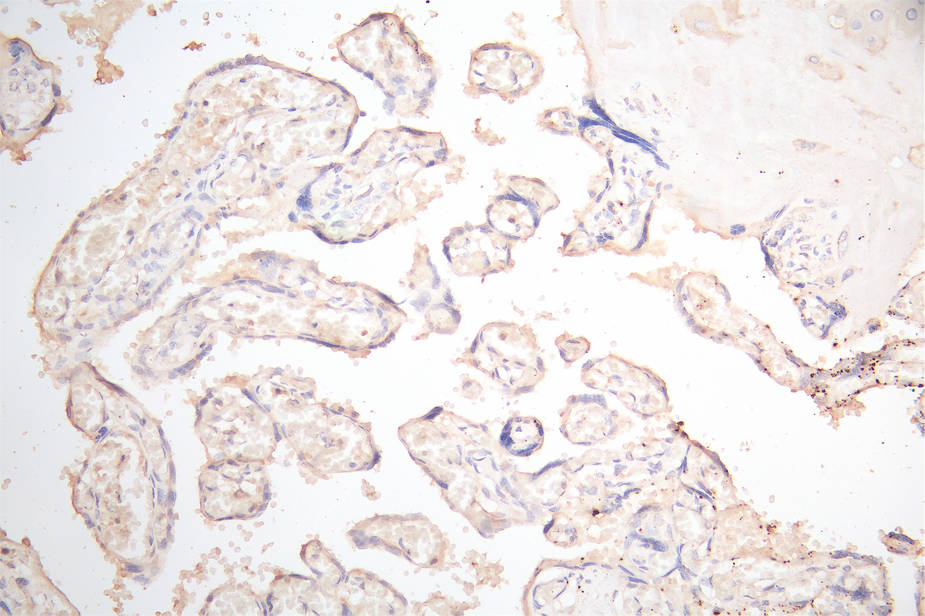
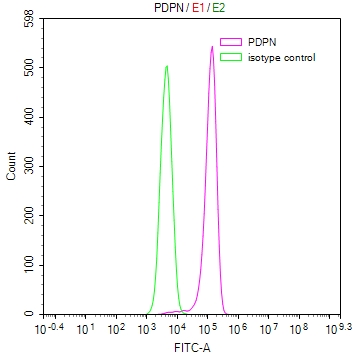
Validation across multiple applications demonstrates this antibody's versatility in your workflow. Western blot analysis confirms detection of PDPN at the expected 17 kDa molecular weight across diverse cell lines including PC-3, SY5Y, U251, and HepG2, with optimal performance at dilutions between 1:1000 and 1:5000. Immunohistochemistry studies have successfully visualized PDPN in paraffin-embedded human colorectal cancer and placenta tissues at 1:300 dilution using citrate buffer antigen retrieval. Flow cytometry applications have been validated in 293 cells, demonstrating clear separation from isotype controls.
With confirmed cross-species reactivity for human and mouse samples, this antibody supports comparative studies and diverse experimental models. Whether investigating lymphangiogenesis, tumor microenvironment dynamics, or cell marker characterization, this PDPN antibody delivers the reliable performance your research demands.
There are currently no reviews for this product.





