

Call us
301-363-4651 (Available 9 a.m. to 5 p.m. CST from Monday to Friday)

Angiopoietin-like protein 4 (ANGPTL4) is a secreted glycoprotein expressed in multiple tissues, whose biological functions are highly dependent on tissue origin, proteolytic status, and pathological context. Studies have shown that ANGPTL4 inhibits lipoprotein lipase (LPL) activity through its N-terminal domain, regulating the distribution of fatty acids among different tissues, while its C-terminal fragment is primarily involved in non-metabolic processes such as cell adhesion, inflammatory responses, vascular permeability, and tissue remodeling.
In recent years, substantial evidence has revealed that ANGPTL4 plays a context-dependent dual role in metabolic cardiovascular diseases, cancer, kidney diseases, neurodegenerative disorders, and fibrotic processes. This article systematically reviewsOkay.Molecular Characteristics and Core Signaling Pathways of ANGPTL4, Its Mechanisms of Action in Different Diseases, Research Disagreements, and Potential Translational Value, Along with a Summary of Current Drug Development Progress Targeting ANGPTL4, Providing Insights for Its Clinical Application as a Biomarker and Therapeutic Target.
1. Discovery and Basic Biological Characteristics of ANGPTL4
2. Core Molecular Mechanisms and Signaling Pathways of ANGPTL4
3. The Role of ANGPTL4 in Metabolic Diseases and Cardiovascular Diseases
4. The Dual Role of ANGPTL4 in Tumor Biology
5. The role of ANGPTL4 in kidney, nervous system, and fibrotic diseases
ANGPTL4 is a member of the ANGPTL family, initially identified as an adipokine secreted by adipose tissue. It was later found to be expressed in the liver, intestines, muscles, endothelial cells, and various tumor tissues. As a secreted protein, ANGPTL4 can be proteolytically cleaved into N-terminal and C-terminal fragments with significantly distinct functions in the extracellular space. Its expression and cleavage are regulated by nutritional status, hormonal signals, and inflammatory environments.
In human visceral adipose tissue, ANGPTL4 is significantly upregulated in obese individuals with glucose metabolism abnormalities and is associated with adipose tissue inflammation and adipocyte heterogeneity, suggesting its potential involvement in early molecular events of metabolic imbalance [1]. In vitro studies have shown that ANGPTL4 can regulate its inhibitory effect on LPL through the formation of complexes or cleavage products, providing a molecular basis for its differential functions under various physiological and pathological conditions [2]. Clinical studies further link ANGPTL4 to insulin resistance, vascular dysfunction, and inflammatory states, establishing its role as a metabolic-vascular regulatory factor [3, 4].
From a mechanistic perspective, the most well-defined and evidence-supported target of ANGPTL4 is LPL. Genetic and functional studies consistently indicate that ANGPTL4 regulates the rate of fatty acid entry into adipose tissue, muscle, and liver by inhibiting LPL activity, thereby limiting the hydrolysis of triglyceride-rich lipoproteins [7,9]. This effect is particularly critical in adipose tissue, where its local inhibition or deficiency can significantly improve systemic lipid distribution and insulin sensitivity [7].
In addition to LPL, ANGPTL4 also interacts with pathways such as integrins, BMP/TGF-β signaling components, and AKT/MTOR, participating in cell survival, inflammatory responses, and tissue remodeling [13,16]. These pathways are not simultaneously activated in all tissues but are highly dependent on cell type, protein fragment forms, and microenvironmental factors. This multi-level regulation constitutes the molecular basis for the functional heterogeneity of ANGPTL4.
In the regulation of lipid metabolism, ANGPTL4 is a key factor in modulating plasma triglyceride levels by inhibiting LPL, thereby altering tissue uptake of fatty acids from triglyceride-rich lipoproteins such as VLDL. As a central hub for systemic lipid metabolism, the liver secretes ANGPTL4, which exerts a significant influence on peripheral lipoprotein metabolism.
Liver-targeted antisense oligonucleotides (ASOs) silencing Angptl4 significantly reduced plasma triglyceride and cholesterol levels and markedly decreased atherosclerotic plaque area in APOE*3-Leiden. CETP mice, while also demonstrating favorable short-term tolerability in non-human primates, suggesting that liver-specific intervention offers advantages in balancing efficacy and safety [19]. Consistent with this, hepatocyte-specific Angptl4 deficiency models improved obesity, insulin resistance, and atherogenic phenotypes by enhancing hepatic lipoprotein lipase activity and accelerating the clearance of remnant lipoproteins [20].
Population genetics evidence further supports the causal role of ANGPTL4 in lipid regulation. Loss-of-function variants such as E40K are associated with lower triglyceride levels and more favorable metabolic phenotypes, and exhibit certain protective effects in obese populations [21]. However, the lifelong effects of genetic variants are not entirely equivalent to the short- or medium-term effects of drug interventions, and this difference requires careful consideration when interpreting translational potential.
Additionally, ANGPTL4 is integrated into the molecular network of hypertension and metabolic syndrome. Specific locus SNPs are associated with waist circumference, blood pressure, and the risk of metabolic syndrome [22]. Observations of elevated circulating and adipose tissue ANGPTL4 in hypertensive patients suggest its potential involvement in vascular tone regulation and endothelial function alterations [23]. Meanwhile, gut microbiota influences lipid absorption and energy balance by regulating intestinal ANGPTL4 expression, further highlighting its systemic role in the "liver-gut-peripheral tissue" axis [24,25].
The role of ANGPTL4 in tumors exhibits a high degree of context dependency, as it can function both as a tumor-promoting factor and, under specific conditions, exert tumor-suppressive effects.
In some tumor models, ANGPTL4 exhibits tumor-suppressive properties. For instance, in cervical cancer, overexpression of ANGPTL4 inhibits tumor cell proliferation, migration, and invasion, and enhances cisplatin-induced apoptosis, while knockdown produces the opposite effect, suggesting its potential role as a chemosensitizer. However, these conclusions are primarily based on in vitro models, and validation at the in vivo and clinical sample levels is still lacking.
In clear cell renal cell carcinoma, low expression of ANGPTL4 is associated with poor prognosis. Its N-terminal fragment can restrict lipid metabolism-driven tumor growth by inhibiting lysosomal acid lipase (LAL), suggesting that tumors may rely more on lipid metabolism pathways under conditions of ANGPTL4 deficiency [original reference numbers remain unchanged].
In contrast to the aforementioned tumor-suppressive effects, ANGPTL4 often acts as a pro-oncogenic factor in obesity-related tumor microenvironments. In triple-negative breast cancer, adipocyte-secreted factors reprogram tumor lipid metabolism via the PPARα-ANGPTL4 axis and enhance invasive and migratory capabilities through FAK signaling [5].Furthermore, in lung adenocarcinoma, ANGPTL4 promotes resistance to EGFR inhibitors by suppressing pyroptosis and apoptosis pathways, revealing its potential role in the development of therapeutic tolerance [8].
Notably, the functions of ANGPTL4 cleavage fragments in tumors exhibit significant differences. Studies have shown that the C-terminal fragment promotes tumor growth and metastasis, while the N-terminal fragment inhibits metastasis and reduces angiogenesis. This phenomenon underscores that the processing state of the protein is a critical variable determining its oncological effects.
In kidney diseases, ANGPTL4 has been shown to be involved in lipid deposition, cellular senescence, and fibrosis processes. In the renal tissues of obese and aging mice, ANGPTL4 is significantly upregulated. Its overexpression promotes lipid accumulation and senescence phenotypes in renal tubular epithelial cells, while genetic inhibition exerts a protective effect [10]. In diabetic nephropathy, ANGPTL4 interacts with Integrin β1 and activates the STING pathway, promoting inflammatory responses and epithelial-mesenchymal transition, thereby accelerating renal interstitial fibrosis [11].
In the central nervous system, ANGPTL4 is believed to link metabolic abnormalities with microglial dysfunction. In Alzheimer's disease models, its upregulation is closely associated with a lipid droplet-enriched microglial phenotype, increased oxidative stress, and enhanced inflammation, suggesting it may mediate the pathological connection between obesity and neurodegenerative diseases [12].
In angiogenesis and fibrotic diseases, ANGPTL4 participates in choroidal neovascularization and subretinal fibrosis formation by promoting endothelial-mesenchymal transition (EndMT), and may influence the response to anti-VEGF therapy [17,18]. In a pulmonary fibrosis model, ANGPTL4 drives mesothelial-mesenchymal transition by regulating glycolytic reprogramming, suggesting its potential value as a metabolic-phenotypic switch node [6].
ANGPTL4 is emerging as a novel drug target in the field of metabolism and inflammation-related diseases. Currently, a variety of investigational drugs based on different technological approaches, including antibodies, oligonucleotides, and mRNA, have been developed targeting ANGPTL4. These efforts primarily focus on indications such as dyslipidemia, cardiovascular diseases, and respiratory infections. Multiple research institutions worldwide are actively advancing these developments, with some projects already progressing to mid-stage clinical trials, reflecting a dynamic overall research landscape. A summary of selected research pipelines is provided in the table below:
| Drug | Mechanism of action | Drug Type | Indications Under Research | Research Institutions | Highest R&D Stage |
|---|---|---|---|---|---|
| MAR-001 | ANGPTL4 inhibitor | Monoclonal antibody | Hypertriglyceridemia | Atherosclerosis | Marea Therapeutics Pty Ltd. | Phase 2 Clinical Trial |
| Lipisense | ANGPTL4 inhibitor | ASO | Hypertriglyceridemia | Metabolic Syndrome | Familial Chylomicronemia Syndrome | Apotek Produktion & Laboratorier AB | Secarna Pharmaceuticals Gmbh & Co. | 成都先衍生物技术有限公司 | Lipigon Pharmaceuticals AB | Phase 2 Clinical Trial |
| CR-064 | ANGPTL4 inhibitor | Ang1 inhibitor | Monoclonal antibody | Renal Cell Carcinoma | CuraGen Corp. | Preclinical |
| ARDS treatment (Lipigon) | ANGPTL4 inhibitor | ASO | Acute Respiratory Distress Syndrome | Lipigon Pharmaceuticals AB | Preclinical |
| P4 CAP (Lipigon Pharmaceuticals) | ANGPTL4 inhibitor | ASO | Community-acquired pneumonia | Lipigon Pharmaceuticals AB | Preclinical |
| WO2023044458 | - | Oligonucleotide | Digestive System Diseases | Endocrine and Metabolic Diseases | Fibrosis | Alnylam Pharmaceuticals, Inc. | Drug Discovery |
| CN118853662 | - | mRNA | Cardiovascular Diseases | Digestive System Diseases | Endocrine and Metabolic Diseases | Rare Diseases | Chengdu Xianyan Biotechnology Co., Ltd. | Drug Discovery |
(Data as of January 28, 2026, sourced from Synapse)
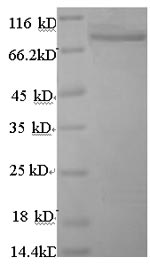
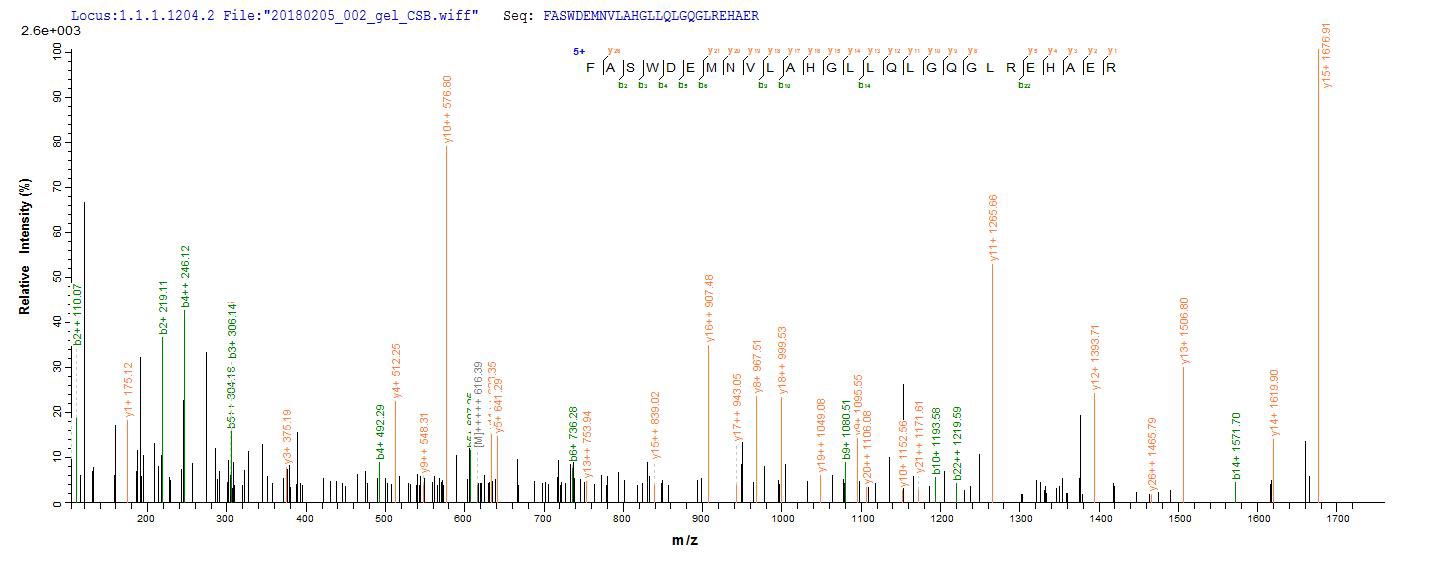
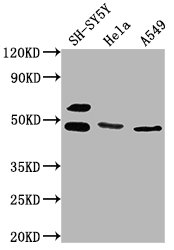
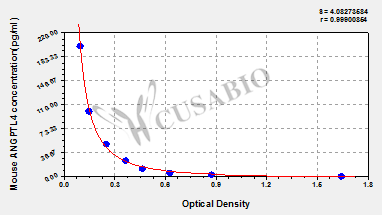
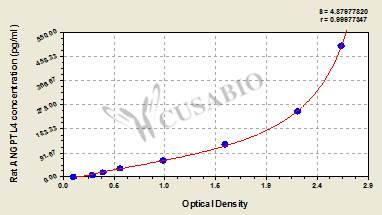
ANGPTL4 is a key molecule linking lipid metabolism, inflammatory responses, and tissue remodeling, with its biological effects highly dependent on tissue origin, protein fragment forms, and pathological context. Although existing studies have revealed its important role in multisystem diseases, functional heterogeneity and species differences remain major challenges for clinical translation. CUSABIO offers ANGPTL4-related products, including recombinant proteins, antibodies, and ELISA detection kits, to support your basic research or drug development.
● ANGPTL4 Recombinant Protein
● ANGPTL4 Antibody
ANGPTL4 Antibody; CSB-PA866314ESR2HU
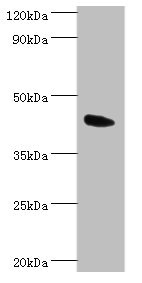
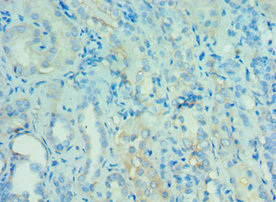
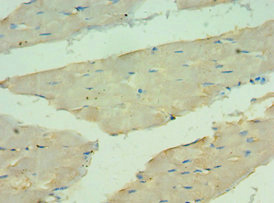
ANGPTL4 (MAR-001 Biosimilar) Recombinant Monoclonal Antibody
CSB-RA866314MB1HU
● ANGPTL4 ELISA Kit
References
[1] Ilaria Barchetta, Caterina Chiappetta, Valentina Ceccarelli, Flavia Agata Cimini, Laura Bertoccini, Melania Gaggini, Claudio Di Cristofano, Gianfranço Silecchia, Andrea Lenzi, Frida Leonetti, Marco Giorgio Baroni, Amalia Gastaldelli, Maria Gisella Cavallo.(2020). Angiopoietin-Like Protein 4 Overexpression in Visceral Adipose Tissue from Obese Subjects with Impaired Glucose Metabolism and Relationship with Lipoprotein Lipase.
[2] Günther Silbernagel, Yan Q Chen, Hongxia Li, Deven Lemen, Yi Wen, Eugene Y Zhen, Martin Rief, Marcus E Kleber, Graciela E Delgado, Mark A Sarzynski, Yue-Wei Qian, Boerge Schmidt, Raimund Erbel, Ulrike S Trampisch, Angela P Moissl, Henrik Rudolf, Heribert Schunkert, Andreas Stang, Winfried März, Hans J Trampisch, Hubert Scharnagl, Robert J Konrad.(2025). Associations of Circulating ANGPTL3, C-Terminal Domain-Containing ANGPTL4, and ANGPTL3/8 and ANGPTL4/8 Complexes with LPL Activity, Diabetes, Inflammation, and Cardiovascular Mortality.
[3] Haohua Wang, Wanying Luo, Min Lin, Xiaojing Li, Guangda Xiang, Silvia d Triganti.(2021). Plasma asprosin, CCDC80 and ANGPTL4 levels are associated with metabolic and cardiovascular risk in patients with inflammatory bowel disease.
[4] Francesca Schinzari, Giuseppina Vizioli, Umberto Campia, Manfredi Tesauro, Carmine Cardillo.(2021). Variable Changes of Circulating ANGPTL3 and ANGPTL4 in Different Obese Phenotypes: Relationship with Vasodilator Dysfunction.
[5] Christina Blücher, Sabine Iberl, Nancy Schwagarus, Silvana Müller, Gerhard Liebisch, Marcus Höring, Maria Soledad Hidrobo, Josef Ecker, Nick Spindler, Arne Dietrich, Ralph Burkhardt, Sonja C. Stadler.(2020). Secreted Factors from Adipose Tissue Reprogram Tumor Lipid Metabolism and Induce Motility by Modulating PPARα/ANGPTL4 and FAK.
[6] Yuechong Xia, Fang Zhou, Hongyan Hui, Liping Dai, Songyun Ouyang.(2024). ANGPTL4 mediated mesothelial-mesenchymal transition in pulmonary fibrosis: a potential therapeutic target.
[7] Binod Aryal, Abhishek K. Singh, Xinbo Zhang, Luis Varela, Noemí Rotllán, Leigh Goedeke, Balkrishna Chaube, João Paulo Camporez, Daniel F. Vatner, Tamas L. Horváth, Gerald I. Shulman, Yajaira Suárez, Carlos Fernández‐Hernando.(2018). Absence of ANGPTL4 in adipose tissue improves glucose tolerance and attenuates atherogenesis.
[8] Yue Fang, Xuan Li, Hao Cheng, Lu Zhang, Jiqing Hao.(2022). ANGPTL4 Regulates Lung Adenocarcinoma Pyroptosis and Apoptosis via NLRP3\ASC\Caspase 8 Signaling Pathway to Promote Resistance to Gefitinib.
[9] Fredrik Landfors, Elin Chorell, Sander Kersten.(2022). Genetic Mimicry Analysis Reveals the Specific Lipases Targeted by the ANGPTL3-ANGPTL8 Complex and ANGPTL4.
[10] Xiaojun Wang, Hung-Chen Chang, Xuchao Gu, Wanlin Han, Shihang Mao, Lili Lu, Shuai Jiang, Haiyong Ding, Shisheng Han, Xinkai Qu, Zhijun Bao.(2024). Renal lipid accumulation and aging linked to tubular cells injury via ANGPTL4.
[11] Swayam Prakash Srivastava, Han Zhou, Rachel Shenoi, Myshal Morris, Begoña Lainez, Leigh Goedeke, Barani Kumar Rajendran, Ocean Setia, Binod Aryal, Keizo Kanasaki, Daisuke Koya, Ken Inoki, Alan Dardik, Thomas Bell, Carlos Fernández‐Hernando, Gerald I. Shulman, Julie E. Goodwin.(2024). Renal Angptl4 is a key fibrogenic molecule in progressive diabetic kidney disease.
[12] Nan Li, Xiaojun Wang, Ruilang Lin, Fuxia Yang, Hung-Chen Chang, Xuchao Gu, Jun Shu, Guidong Liu, Yongfu Yu, Wenshi Wei, Zhijun Bao.(2024). ANGPTL4-mediated microglial lipid droplet accumulation: Bridging Alzheimer's disease and obesity.
[13] Yun Bai, Guanghua Cui, Xiaoke Sun, Meiqi Wei, Yanying Liu, Jialu Guo, Yu Yang.(2024). ANGPTL4 Stabilizes Bone Morphogenetic Protein 7 Through Deubiquitination and Promotes HCC Proliferation via the SMAD/MAPK Pathway.
[14] Xiujin Shen, Haibing Wang, Chunhua Weng, Yongchun He, Xue Shao, Jingyun Le, Hui Chen, Qixia Shen, Jianghua Chen, Hong Jiang.(2025). Angiopoietin-like 4 exacerbates renal tubular epithelial cell pyroptosis in acute kidney injury via integrin β5/FAK signaling pathway.
[15] Tin May Aung, Atit Silsirivanit, Apinya Jusakul, Waraporn Chan-On, Tanakorn Proungvitaya, Sittiruk Roytrakul, Siriporn Proungvitaya.(2022). Prediction of Angiopoietin-like Protein 4-related Signaling Pathways in Cholangiocarcinoma Cells.
[16] Xiao Song, Wang Nai‐dong, Jinxiang Yan, Long Tian, Xiurong Lu, Gao Hong, Yan Jie‐Cheng, Zhang Fei.(2022). ANGPTL4 regulate glutamine metabolism and fatty acid oxidation in nonsmall cell lung cancer cells.
[17] Jia Chen, Ying Yang, Shu Su, Shenglai Zhang, Ju Huang, Hong Chen, Xiaowei Yang, Aimin Sang.(2024). ANGPTL4 promotes choroidal neovascularization and subretinal fibrosis through the endothelial‒mesenchymal transition.
[18] Deepti Sharma, Evan Lau, Yu Qin, Kathleen Jee, Murilo Rodrigues, Chuanyu Guo, Aumreetam Dinabandhu, Emma McIntyre, Shaima Salman, Yousang Hwang, Ala Moshiri, Gregg L Semenza, Silvia Montaner, Akrit Sodhi.(2024). VEGF inhibition increases expression of HIF-regulated angiogenic genes by the RPE limiting the response of wet AMD eyes to aflibercept.
[19] Melanie Modder, Wietse In Het Panhuis, Mohan Li, Salwa Afkir, Alexandra L Dorn, Amanda C M Pronk, Trea C M Streefland, Reshma A Lalai, Stefan Pierrou, Stefan K Nilsson, Gunilla Olivecrona, Sander Kooijman, Patrick C N Rensen, Milena Schönke.(2024). Liver-targeted Angptl4 silencing by antisense oligonucleotide treatment attenuates hyperlipidaemia and atherosclerosis development in APOE*3-Leiden.CETP mice.
[20] Abhishek K. Singh, Balkrishna Chaube, Xinbo Zhang, Jonathan Sun, Kathryn M. Citrin, Alberto Canfrán‐Duque, Binod Aryal, Noemí Rotllán, Luis Varela, Richard Lee, Tamas L. Horváth, Nathan L. Price, Yajaira Suárez, Carlos Fernández‐Hernando.(2021). Hepatocyte-specific suppression of ANGPTL4 improves obesity-associated diabetes and mitigates atherosclerosis in mice.
[21] Diego Bailetti, Laura Bertoccini, Rosellina Margherita Mancina, Ilaria Barchetta, Danila Capoccia, Efisio Cossu, Arturo Pujia, Andrea Lenzi, Frida Leonetti, Maria Gisella Cavallo, Stefano Romeo, Marco Giorgio Baroni.(2018). ANGPTL4 gene E40K variation protects against obesity‐associated dyslipidemia in participants with obesity.
[22] Zhoujie Tong, Jie Peng, Hongtao Lan, Wenwen Sai, Yulin Li, Jiaying Xie, Yanmin Tan, Wei Zhang, Ming Zhong, Zhihao Wang.(2021). Cross-talk between ANGPTL4 gene SNP Rs1044250 and weight management is a risk factor of metabolic syndrome.
[23] Mohamed Abu‐Farha, Preethi Cherian, Mohamed G. Qaddoumi, Irina Al‐Khairi, Sriraman Devarajan, Muath Alanbaei, Jehad Abubaker.(2018). Increased plasma and adipose tissue levels of ANGPTL8/Betatrophin and ANGPTL4 in people with hypertension.
[24] Jing Guo, Mengyuan Zhang, He Wang, Na Li, Zongliang Lu, Long Li, Suocheng Hui, Hongxia Xu.(2022). Gut microbiota and short chain fatty acids partially mediate the beneficial effects of inulin on metabolic disorders in obeseob/obmice.
[25] Sang‐Hyun Cho, Yong‐Joon Cho, Joo‐Hong Park.(2021). The human symbiont Bacteroides thetaiotaomicron promotes diet-induced obesity by regulating host lipid metabolism.




Comments
Leave a Comment