
Call us
301-363-4651 (Available 9 a.m. to 5 p.m. CST from Monday to Friday)

The mucin family comprises several members, including transmembrane types (such as MUC1, MUC4, MUC16), secreted types, and soluble mucins. Among these, MUC1 is the best-characterized transmembrane mucin, localized to the apical surface of epithelial cells [20], where it participates in various physiological processes including epithelial protection, repair, cell adhesion, and immune response.
Structurally, MUC1 is a heterodimer composed of a non-covalently linked N-terminal (MUC1-N) and C-terminal (MUC1-C) subunit [21]. MUC1-N is extracellular and contains a variable number of 20-amino acid tandem repeats (VNTR), a region rich in O-glycosylation sites. The highly glycosylated MUC1-N extends outward from the cell surface, forming a physical barrier on the mucosal surface that protects epithelial cells from external damage. MUC1-C consists of an extracellular domain, a transmembrane domain, and a cytoplasmic tail, serving as the key component for signal transduction. Mediated by the SEA structural domain, MUC1 undergoes autoproteolytic cleavage; upon receiving inflammatory signals (such as IFN-γ, TNF-α), MUC1-N is released, subsequently activating MUC1-C and initiating downstream signaling pathways.
In normal tissues, MUC1 exhibits strict polarized expression, localized exclusively to the apical cell membrane, maintaining epithelial barrier integrity and preventing aberrant signal activation. Under infectious or inflammatory conditions, MUC1 can bind to viruses (e.g., limiting influenza A infection) through sialic acid structures at the termini of its glycan chains, while simultaneously modulating inflammatory intensity to prevent immune damage. Thus, under physiological conditions, MUC1 possesses both barrier functions and immunomodulatory roles.
However, in the context of chronic inflammation, hypoxia, or genetic susceptibility, MUC1 loses its polarized expression pattern and becomes aberrantly overexpressed across the entire cell surface, transforming from a "physical defender" into a "signaling hub molecule" and becoming a key driver in the development of various malignant diseases.
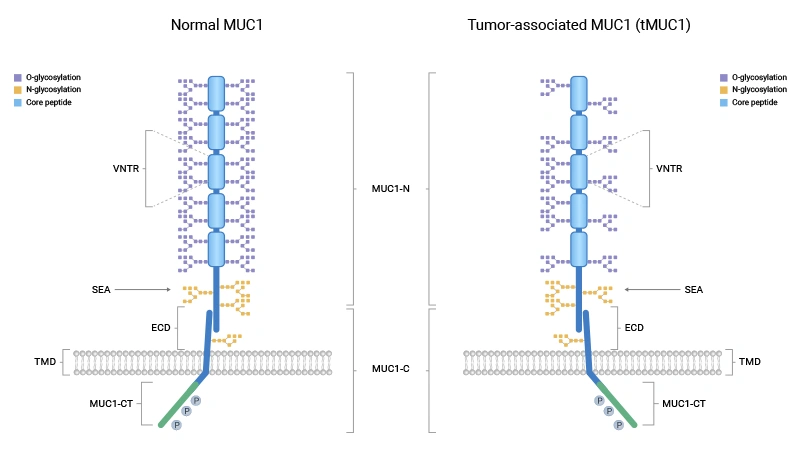
Fig. Schematic representation of the MUC1 structure both in physiological conditions (Normal MUC1) and in cancer (tMUC1) [27]
The abnormal expression of MUC1 is closely related to genetic background. Genome-wide association studies have identified the 1q22 region as a significant susceptibility locus for gastric cancer, with the functional single nucleotide polymorphism rs4072037 receiving widespread attention [1,2]. Multiple meta-analyses have shown that the G allele significantly reduces the risk of gastric cancer, with its effect size (OR) typically ranging between 0.70 and 0.79 [3-5]. In East Asian populations, the population attributable risk at this locus is relatively high [6,7], indicating its epidemiological significance. This polymorphism not only influences the overall risk of gastric cancer but is also closely associated with the prognosis of diffuse-type gastric cancer [10] and demonstrates relevance even in the precancerous lesion stage [11].
At the epigenetic level, the methylation status of the MUC1 promoter is a key factor regulating its expression. In pancreatic ductal adenocarcinoma, promoter hypomethylation is significantly associated with high mRNA expression and indicates poor prognosis [15]. Similar epigenetic abnormalities have also been validated in lung adenocarcinoma [16]. Additionally, functional variants such as rs4072037 and rs12411216 are associated with metabolic and renal function indicators [17], reflecting the multi-system pleiotropic effects of MUC1.
Overall, the genetic and epigenetic background of MUC1 provides a molecular basis for its abnormal expression, but its pathogenic effects still need to be realized through downstream signaling networks.
The functional transformation of MUC1 in tumors primarily relies on abnormal glycosylation and activation of the cytoplasmic tail signaling. In tumor cells, aberrant expression of C1GALT1 and Cosmc leads to the exposure of Tn and sTn antigens [19]. This truncation of glycan chains alters the conformation of MUC1 and exposes new ligand-binding sites.
Galectin-3 can bind to abnormally glycosylated MUC1, inducing MUC1-C phosphorylation and activating the ERK1/2 and Akt signaling pathways [21]. Simultaneously, YBX1 enhances MUC1 expression at the transcriptional level [20]. In terms of spatial regulation, ADAM10/17 and γ-secretase mediate the hydrolysis and release of MUC1-C, allowing it to enter the nucleus [26], where it forms a complex with β-Catenin to regulate the expression of EMT and stemness-related genes [9]. Furthermore, MUC1-C enhances PD-L1 expression and the formation of an immunosuppressive environment through the JAK/STAT3 and NF-κB signaling pathways [18].
Therefore, the transformation of MUC1 from a membrane-bound structural molecule into a nuclear transcriptional co-regulator is a critical step in driving malignant transformation.
Abnormal expression of MUC1 is present throughout the entire process of tumor initiation, progression, and immune evasion, and it holds clear pathological and clinical significance in various solid tumors.
In gastric cancer, the rs4072037 polymorphism not only influences overall disease risk but is also closely associated with recurrence and disease-related mortality in diffuse-type gastric cancer [10]. Studies indicate that abnormal MUC1 expression emerges as early as the stages of severe intestinal metaplasia and atypical hyperplasia [11], suggesting its early driving role in the transition from inflammation to carcinogenesis. The synergistic effect with Helicobacter pylori infection further reinforces this continuum model [12, 13]. The combination of genetic susceptibility and chronic infection positions MUC1 as a crucial molecular bridge linking inflammation to the development of gastric cancer.
In pancreatic ductal adenocarcinoma (PDAC), MUC1 is identified as one of the core genes in the protein interaction network [22]. Histopathological studies have shown that its expression in cancerous tissues is significantly higher than in normal ductal tissues [25]. The detection method based on pancreatic juice DNA methylation can distinguish PDAC from IPMN with high specificity and sensitivity [23]. It demonstrates its potential application value in early differential diagnosis. Notably, MUC1 is not only a diagnostic marker, but its cytoplasmic tail region maintains the survival advantage of tumor cells by continuously activating the PI3K/Akt signaling pathway, indicating its important role in therapeutic targeting.
In breast cancer, overexpression of MUC1 has been confirmed as an independent predictor of poor prognosis.[8]Its aberrant glycosylation enhances interactions with E-selectin and ICAM-1 [24], promoting the "rolling" and adhesion of circulating tumor cells on vascular endothelium, thereby accelerating distant metastasis. Additionally, MUC1 constructs an immunosuppressive microenvironment by enhancing PD-L1 expression and NF-κB activation, enabling tumor cells to evade immune clearance.
In non-small cell lung cancer, EIF4G1-driven high expression of MUC1 is significantly correlated with PD-L1 levels.[14]and enhances immune escape capability through the JAK/STAT3 pathway. Its high enrichment in exosomes [40] further suggests its potential application in liquid biopsy.
In addition to solid tumors, functional variants of MUC1 are also associated with cardiovascular metabolic indicators and renal function parameters [17], suggesting its potential role in systemic inflammation and metabolic regulation. Although its mechanisms in non-neoplastic diseases are not yet fully elucidated, its pleiotropic characteristics indicate that it may be involved in chronic inflammation and tissue fibrosis processes.
Overall, the role of MUC1 in various diseases exhibits common characteristics: loss of expression polarity, abnormal glycosylation, enhanced nuclear translocation, and dysregulation of immune modulation. These mechanisms constitute its "shared pathogenic framework" across multiple cancer types.
Currently, the development of MUC1-targeted drugs has entered a diversified clinical stage dominated by immunotherapy and precision conjugation technologies. In terms of drug types, cell therapies (CAR-T) and antibody-drug conjugates (ADCs) constitute the dual main lines of research and development, with the most advanced candidates primarily in Phase II clinical trials. The indications are mainly focused on advanced solid tumors such as prostate cancer, pancreatic cancer, and non-small cell lung cancer. Notably, CAR-T therapy development is particularly active, with domestic biotechnology companies such as Guangzhou Anjie, Shenzhen Institute of Immunogene Therapy, Shanghai Sidansai, and Guangdong Zhaotai having pipelines entering clinical trials, demonstrating China's deep involvement in the field of MUC1-targeted cell therapy. Some of the pipelines under development are summarized in the following table:
| Drug | Mechanism of action | Drug Type | Indications Under Research | Research Institutions | Highest R&D Stage |
|---|---|---|---|---|---|
| Anti-MUC1 CAR T cell(Guangzhou Anjie Biomedical Technology Co., Ltd.) | MUC1 Modulator | T Lymphocyte Substitute | CAR-T | Prostate cancer | Guangzhou Anjie Biomedical Technology Co., Ltd. | Phase 2 Clinical Trial |
| GO-2032c | MUC1 inhibitor | Synthetic Polypeptide | Acute Myeloid Leukemia | Dana-Farber Cancer Institute, Inc. | Genus Oncology LLC | Phase 2 Clinical Trial |
| Anti-MUC1 monoclonal antibody(AltaRex Corp.) | MUC1 inhibitor | Monoclonal antibody | Pancreatic cancer | HYULIM A-TECH Co., Ltd. | ViRexx Medical Corp. | Shenzhen Hepalink Pharmaceutical Group Co., Ltd. | Phase 2 Clinical Trial |
| Cancer vaccine(Therion Biologics Corp.) | CEACAM5 antagonist | MUC1 inhibitor | Immunostimulant | Recombinant Vector Vaccine | Therapeutic Vaccine | Small Intestine Cancer | Colorectal Cancer | Non-Small Cell Lung Cancer | Prostate CancerWait | National Cancer Institute | Bavarian Nordic, Inc. | Phase 2 Clinical Trial |
| Adenovirus 5 CEA/MUC1/Brachyury Vaccine(National Cancer Institute) | CEA Inhibitor | MUC1 Inhibitor | TBXT Inhibitor | Immunostimulant | Recombinant Vector Vaccine | Therapeutic Vaccine | Hereditary Nonpolyposis Colorectal Cancer | National Cancer Institute | Phase 2 Clinical Trial |
| CV-9202 | 5T4 inhibitor | MAGEC1 antagonist | MAGEC2 antagonist | MUC1 inhibitor | NY-ESO-1 inhibitor | survivin inhibitor | Therapeutic Vaccine | mRNA Vaccine | Non-Small Cell Lung Cancer | Ludwig Institute for Cancer Research Ltd. | C. H. Boehringer Sohn AG & Co. KG | Phase 2 Clinical Trial |
| Gemcitabine Liposome | DNA Polymerase Inhibitors | MUC1 Inhibitors | Small Molecule Chemical Drugs | Liposomal Drugs | Advanced Non-Small Cell Lung Cancer | Advanced Malignant Solid Tumors | Advanced Urothelial CarcinomaWait | FUJIFILM Pharmaceuticals USA, Inc. | FUJIFILM Holdings America Corp. | Phase 2 Clinical Trial |
| Cancer vaccine-MUC 1(Vaxil Biotherapeutics) | MUC1 inhibitor | Therapeutic vaccine | Breast Cancer | Multiple Myeloma | Vaxil Biotherapeutics Ltd. | Hadassah Foundation | Phase 2 Clinical Trial |
| MUC1-Poly-ICLC | MUC1 modulator | Therapeutic vaccine | Non-Small Cell Lung Cancer | University of Pittsburgh Medical Center | Phase 2 Clinical Trial |
| Monoclonal antibody HMFG1(Cancer Research UK) | MUC1 Inhibitor | Immunostimulant | Monoclonal antibody | Locally Advanced Breast Cancer | Metastatic Breast Cancer | Antisoma Research Ltd. | Phase 2 Clinical Trial |
| Tipapkinogene sovacivec | E7 Inhibitor | HPV E6 Inhibitor | MUC1 Modulator | Recombinant Vector Vaccines | Universal Antigen Vaccines | HPV-related anal squamous cell carcinoma | Human papillomavirus-associated cervical cancerWait | Transgene SA | Phase 1/2 Clinical |
| BM7PE | MUC1 inhibitor | Antibody-drug conjugate | Metastatic Colorectal Cancer | Metastatic Tumor | Oslo universitetssykehus HF | Phase 1/2 Clinical |
| Mucin gene (MUC1) transfected dendritic cells vaccine(Free University of Berlin) | MUC1 modulator | Therapeutic vaccine | Advanced Breast Cancer | Pancreatic Cancer | Freie Universität Berlin | Phase 1/2 Clinical |
| DS-3939 | MUC1 Modulator | TOP1 Inhibitor | ADC | Advanced Breast Cancer | Recurrent Breast Cancer | Ductal Carcinoma of the Breast | Colorectal CancerWait | Daiichi Sankyo, Inc. | Daiichi Sankyo Co., Ltd. | Glycotope GmbH | Phase 1/2 Clinical |
| M0324 | CD40 Agonist | MUC1 Inhibitor | Bispecific antibody | Advanced Malignant Solid Tumor | Tumor | Merck & Co., Inc. | EMD Serono Research & Development Institute, Inc. | Merck KGaA | EMD Serono, Inc. | Phase 1 Clinical Trial |
| Recombinant Humanized Anti-Muc1 Monoclonal Antibody-Tub201 Conjugate (Hangzhou DAC Biotechnology) | MUC1 inhibitor | ADC | Advanced Malignant Solid Tumors | Colorectal Cancer | Pancreatic Cancer | Hangzhou Duoxi Biotechnology Co., Ltd. | Phase 1 Clinical Trial |
| huMNC2-CAR44 T cells(Minerva Biotechnologies) | MUC1 modulator | Autologous CAR-T | Advanced Breast Cancer | HER2-Positive Metastatic Breast Cancer | Minerva Biotechnologies Corp. | Phase 1 Clinical Trial |
| huMNC2-CAR22(Minerva Biotechnologies) | MUC1 inhibitor | Autologous CAR-T | Advanced Breast Cancer | HER2-Positive Metastatic Breast Cancer | Minerva Biotechnologies Corp. | Phase 1 Clinical Trial |
| SBO-154 | MUC1 inhibitor | ADC | Advanced Malignant Solid Tumors | Sun Pharma Advanced Research Co. Ltd. | Sun Pharma Advanced Research Company Ltd. | Phase 1 Clinical Trial |
| MUC1-TILs(Guangdong Zhaotai InVivo Biomedicine) | HPK1 Inhibitor | MUC1 Inhibitor | PD-1 Inhibitor | Immune Cytotoxicity | Lymphocyte Substitute | Tumor-infiltrating lymphocytes | Advanced Malignant Solid Tumors | Brain Cancer | Breast Cancer | Colorectal Cancer | Liver Cancer | Lung Cancer | Guangdong Zhaotai In Vivo Biomedical Technology Co., Ltd. | Phase 1 Clinical Trial |
| DAA/TAA Peptide Vaccine(University of Pittsburgh) | MUC1 modulator | Synthetic Peptide Vaccine | Therapeutic Vaccine | Ductal carcinoma | University of Pittsburgh | Phase 1 Clinical Trial |
| Anti-MUC1 CAR-T (Shenzhen Geno-Immune Medical) | MUC1 inhibitor | Autologous CAR-T | Acute Lymphoblastic Leukemia | Refractory Anemia with Excess Blasts | Refractory Leukemia | Shenzhen Institute of Immunotherapy and Gene Therapy | Phase 1 Clinical Trial |
| Anti MUC 1 chimeric antigen receptor T cell therapy(Innovative Cellular Therapeutics Co., Ltd.) | MUC1 Inhibitor | Immune Cytotoxicity | T Lymphocyte Substitutes | CAR-T | Breast Cancer | Lung Cancer | Pancreatic Cancer | Shanghai Sidansai Biotechnology Co., Ltd. | Phase 1 Clinical Trial |
| MUC1-CAR-T Cells(Guangdong Zhaotai InVivo Biomedicine) | HPK1 Inhibitor | MUC1 Inhibitor | PD-1 Inhibitor | Immune Cytotoxicity | T Lymphocyte Substitute | Autologous CAR-T | Advanced Cancer | Lung Cancer | Guangdong Zhaotai In Vivo Biomedical Technology Co., Ltd. | Phase 1 Clinical Trial |
| MUC1-CAR-TILs(Guangdong Zhaotai InVivo Biomedicine) | HPK1 Inhibitor | MUC1 Inhibitor | PD-1 Inhibitor | Immune Cytotoxicity | Lymphocyte Substitute | Autologous CAR-T | Advanced Malignant Solid Tumors | Brain Cancer | Breast Cancer | Colorectal Cancer | Liver Cancer | Lung Cancer | Guangdong Zhaotai In Vivo Biomedical Technology Co., Ltd. | Phase 1 Clinical Trial |
| DM-002 (Xadcera Biopharma) | HER3 Antagonist | MUC1 Inhibitor | TOP1 Inhibitor | ADC | Colorectal Cancer | Endometrial Cancer | Ovarian Cancer | Prostate CancerWait | Sidao Pharmaceutical Technology (Suzhou) Co., Ltd. | Doma Pharmaceutical Technology (Suzhou) Co., Ltd. | Biocytogen (Beijing) Pharmaceutical Technology Co., Ltd. | Phase 1 Clinical Trial |
| Autologous MUC1 activated T cells(Mayo Clinic) | MUC1 modulator | T-cell therapy | Ovarian Carcinosarcoma | Platinum-Resistant Ovarian Cancer | Platinum-Resistant Primary Peritoneal CarcinomaWait | Mayo Clinic | Phase 1 Clinical Trial |
(Data as of February 27, 2026, sourced from Synapse)
Regarding the broad research prospects of MUC1 from basic mechanisms to clinical translation,CUSABIO offering a comprehensive suite of tools to meet the research needs mentioned above, including recombinant proteins, antibodies, and ELISA kits, to support your studies in genetic regulation, signaling pathways, drug screening, and liquid biopsy.
● MUC1 Recombinant Protein
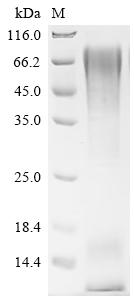
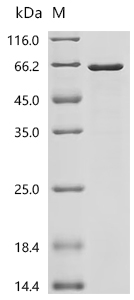
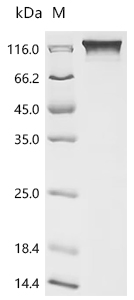
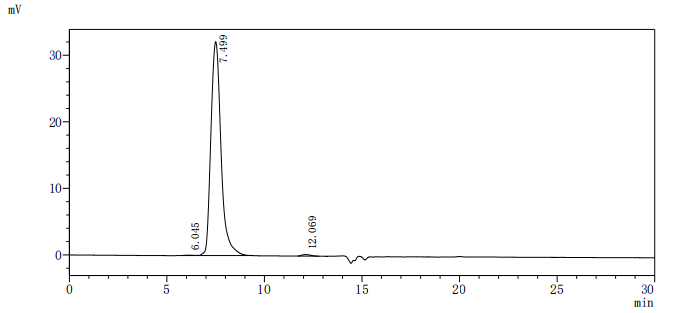
Recombinant Human Mucin-1 (MUC1), partial; Code: CSB-MP015215HU2
● MUC1 Antibody
● MUC1 ELISA Kit
References
[1] Tomomitsu Tahara, Sayumi Tahara, Noriyuki Horiguchi, Takema Kato, Yasuko Shinkai, Masaaki Okubo, Tsuyoshi Terada, Dai Yoshida, Kohei Funasaka, Mitsuo Nagasaka, Yoshihito Nakagawa, Hiroki Kurahashi, Tomoyuki Shibata, Tetsuya Tsukamoto, Naoki Ohmiya.(2019). Prostate Stem Cell Antigen Gene Polymorphism Is Associated withH. pylori–related Promoter DNA Methylation in Nonneoplastic Gastric Epithelium.
[2] Norihisa Saeki, Hiromi Sakamoto, Teruhiko Yoshida.(2014). Mucin 1 Gene (MUC1) and Gastric-Cancer Susceptibility.
[3] Peixi Liu, Mingxi Zeng.(2020). Role ofMUC1rs4072037 polymorphism in gastric cancer: a meta-analysis.
[4] Xi Gu, Jiaxi Feng, Liyang Liu, Ming Lü, Xiang Ma, Yang Cao, Baolin Wang, Qinghong Zhao.(2018). Association of MUC1 rs4072037 Functional Polymorphism and Cancer Risk: Evidence from 12551 Cases and 13436 Controls.
[5] Fujiao Duan, Chunhua Song, Liping Dai, Shuli Cui, Xiaoqin Zhang, Xia Zhao.(2014). The Effect of MUC1 rs4072037 Functional Polymorphism on Cancer Susceptibility: Evidence from Published Studies.
[6] Fujiao Duan, Chunhua Song, Jiachen Shi, Yanchun Wang, Hua Ye, Liping Dai, Jianying Zhang, Kaijuan Wang.(2021). Identification and epidemiological evaluation of gastric cancer risk factors: based on a field synopsis and meta-analysis in Chinese population.
[7] Hongwei Sun, Xiaoli Wu, Fang Wu, Ying Li, Zhengping Yu, Xiangrong Chen, Yunzhi Chen, Wenjun Yang.(2015). Associations of Genetic Variants in the PSCA, MUC1 and PLCE1 Genes with Stomach Cancer Susceptibility in a Chinese Population.
[8] Xuan Jing, Hongping Liang, Chonghua Hao, Xiaojuan Yang, Xiangrong Cui.(2018). Overexpression of MUC1 predicts poor prognosis in patients with breast cancer.
[9] Andreia Mota Sousa, Margarida Rei, Rita Freitas, Sara Ricardo, Thomas C. Caffrey, Leonor David, Raquel Almeida, Michael A. Hollingsworth, Filipe Santos‐Silva.(2016). Effect of MUC1/β-catenin interaction on the tumorigenic capacity of pancreatic CD133+ cells.
[10] Beom Su Kim, Inchul Lee, Jeong Hwan Yook, Kyuyoung Song, Byung-Sik Kim.(2020). Association between theMUC1rs4072037 Polymorphism and Risk of Gastric Cancer and Clinical Outcomes.
[11] Meng Cai, Shuyang Dai, Wanqing Chen, Changfa Xia, Lingeng Lu, Shuguang Dai, Jun Qi, Minjie Wang, Meilin Wang, Lanping Zhou, Fuhua Lei, Tingting Zuo, Hongmei Zeng, Xiaohang Zhao.(2017). Environmental factors, seven GWAS‐identified susceptibility loci, and risk of gastric cancer and its precursors in a Chinese population.
[12] Luca Giraldi, Maria Benedetta Michelazzo, Dario Arzani, Roberto Persiani, Roberta Pastorino, Stefania Boccia.(2017). MUC1, MUC5AC, and MUC6 polymorphisms, Helicobacter pylori infection, and gastric cancer: a systematic review and meta-analysis.
[13] Miao Li, Liu Huang, Hong Qiu, Qiang Fu, Wen Li, Qianqian Yu, Li Sun, Lihong Zhang, Guangyuan Hu, Junbo Hu, Xianglin Yuan.(2013). Helicobacter pylori Infection Synergizes with Three Inflammation-Related Genetic Variants in the GWASs to Increase Risk of Gastric Cancer in a Chinese Population.
[14] Luis Del Valle, Lu Dai, Hui‐Yi Lin, Zhen Lin, Jungang Chen, Steven R. Post, Zhiqiang Qin.(2021). Role of EIF4G1 network in non‐small cell lung cancers (NSCLC) cell survival and disease progression.
[15] Seiya Yokoyama, Michiyo Higashi, Sho Kitamoto, Monika Oeldorf, Uwe Knippschild, Marko Kornmann, Kosei Maemura, Hiroshi Kurahara, Edwin Wiest, Tomofumi Hamada, Ikumi Kitazono, Yuko Goto‐Koshino, Takashi Tasaki, Tsubasa Hiraki, Kazuhito Hatanaka, Yuko Mataki, Hiroki Taguchi, Shinichi Hashimoto, Surinder K. Batra, Akihide Tanimoto, Suguru Yonezawa, Michael A. Hollingsworth.(2016). Aberrant methylation ofMUC1andMUC4promoters are potential prognostic biomarkers for pancreatic ductal adenocarcinomas.
[16] Xiaocong Wang, Yanmei Li, Huihua Hu, Fangzheng Zhou, Jie Chen, Dongsheng Zhang.(2020). Comprehensive analysis of gene expression and DNA methylation data identifies potential biomarkers and functional epigenetic modules for lung adenocarcinoma.
[17] Ming‐Sheng Teng, Semon Wu, Lung‐An Hsu, Hsin‐Hua Chou, Yu‐Lin Ko.(2021). Pleiotropic Effects of Functional MUC1 Variants on Cardiometabolic, Renal, and Hematological Traits in the Taiwanese Population.
[18] Saumya Mishra, Patrícia Mendonça, Sukhmandeep Kaur, Karam F. A. Soliman.(2025). Silibinin Anticancer Effects Through the Modulation of the Tumor Immune Microenvironment in Triple-Negative Breast Cancer.
[19] Hong Tian, Jiali Yu, Xiaoli Chu, Qi Guan, Juan Liu, Ying Liu.(2024). Unraveling the role of C1GALT1 in abnormal glycosylation and colorectal cancer progression.
[20] Qiang Xie, Shilei Zhao, Wenzhi Liu, Yanwei Cui, Fengzhou Li, Zhuoshi Li, Tao Guo, Wendan Yu, Wei Guo, Wuguo Deng, Chundong Gu.(2021). YBX1 Enhances Metastasis and Stemness by Transcriptionally Regulating MUC1 in Lung Adenocarcinoma.
[21] Yugo Mori, Kaoru Akita, Masakazu Yashiro, Tetsuji Sawada, Kosei Hirakawa, Takeomi Murata, Hiroshi Nakada.(2015). Binding of Galectin-3, a β-Galactoside-binding Lectin, to MUC1 Protein Enhances Phosphorylation of Extracellular Signal-regulated Kinase 1/2 (ERK1/2) and Akt, Promoting Tumor Cell Malignancy.
[22] Yan Li, Yuzhang Zhu, Guiping Dai, Dongjuan Wu, Zhenzhen Gao, Lei Zhang, Yaohua Fan.(2019). Screening and validating the core biomarkers in patients with pancreatic ductal adenocarcinoma.
[23] Seiya Yokoyama, Sho Kitamoto, Michiyo Higashi, Yuko Goto‐Koshino, Taro Hara, Dai Ikebe, Taketo Yamaguchi, Yoshifumi Arisaka, Toru Niihara, Hiroto Nishimata, Sadao Tanaka, Kyoichi Takaori, Surinder K. Batra, Suguru Yonezawa.(2014). Diagnosis of Pancreatic Neoplasms Using a Novel Method of DNA Methylation Analysis of Mucin Expression in Pancreatic Juice.
[24] Yue Geng, Kimberly Yeh, Tait Takatani, Michael R. King.(2012). Three to Tango: MUC1 as a Ligand for Both E-Selectin and ICAM-1 in the Breast Cancer Metastatic Cascade.
[25] Alberto Nicoletti, Federica Vitale, Giuseppe Quero, Mattia Paratore, Claudio Fiorillo, Marcantonio Negri, Angela Carlino, Frediano Inzani, Antonio Gasbarrini, Sergio Alfieri, Lorenzo Zileri Dal Verme.(2023). Immunohistochemical Evaluation of the Expression of Specific Membrane Antigens in Patients with Pancreatic Ductal Adenocarcinoma.
[26] Audrey Bouillez, Viviane Gnemmi, Kelly Gaudelot, Brigitte Hémon, Bélinda Ringot, Nicolas Pottier, François Glowacki, Caroline Butruille, Christelle Cauffiez, Malika Hamdane, Nicolas Sergeant, Isabelle Van Seuningen, Xavier Leroy, Sébastien Aubert, Michaël Perrais.(2014). MUC1-C nuclear localization drives invasiveness of renal cancer cells through a sheddase/gamma secretase dependent pathway.
[27] Rosalia Dieli, Rosa Lioy, Fabiana Crispo, Nicoletta Cascelli, Mara Martinelli Donatella Telesca, Maria Rita Milella, Marco Colella, Simona Loperte, Rosa Lerose. Biomolecules.(2025).The Oncoprotein Mucin 1 in Pancreatic Cancer Onset and Progression: Potential Clinical Implications.




Comments
Leave a Comment