
Call us
301-363-4651 (Available 9 a.m. to 5 p.m. CST from Monday to Friday)

| Code | CSB-RA004783MA1HU |
| Size | US$210 |
| Order now | |
| Image |
|
| Have Questions? | Leave a Message or Start an on-line Chat |
| Application | Recommended Dilution |
|---|---|
| IHC | 1:50-1:200 |
CCL2, also known as monocyte chemoattractant protein-1 (MCP-1), serves as a critical mediator of inflammatory responses and immune cell recruitment. This chemokine plays a central role in directing monocyte and macrophage migration to sites of inflammation, making it a key molecule in understanding tumor microenvironment dynamics, cardiovascular disease progression, and metabolic disorders. Elevated CCL2 expression has been implicated in cancer metastasis, atherosclerosis, and obesity-related inflammation, positioning it as an important biomarker and therapeutic target across multiple disease contexts.
This recombinant monoclonal antibody (clone 5F8) offers the reproducibility and consistency that demanding research applications require. Produced using recombinant technology with a defined sequence, this antibody eliminates the lot-to-lot variability that can compromise longitudinal studies and multi-site collaborations. The human IgG1 format provides reliable detection characteristics, while affinity chromatography purification ensures high specificity for your target.
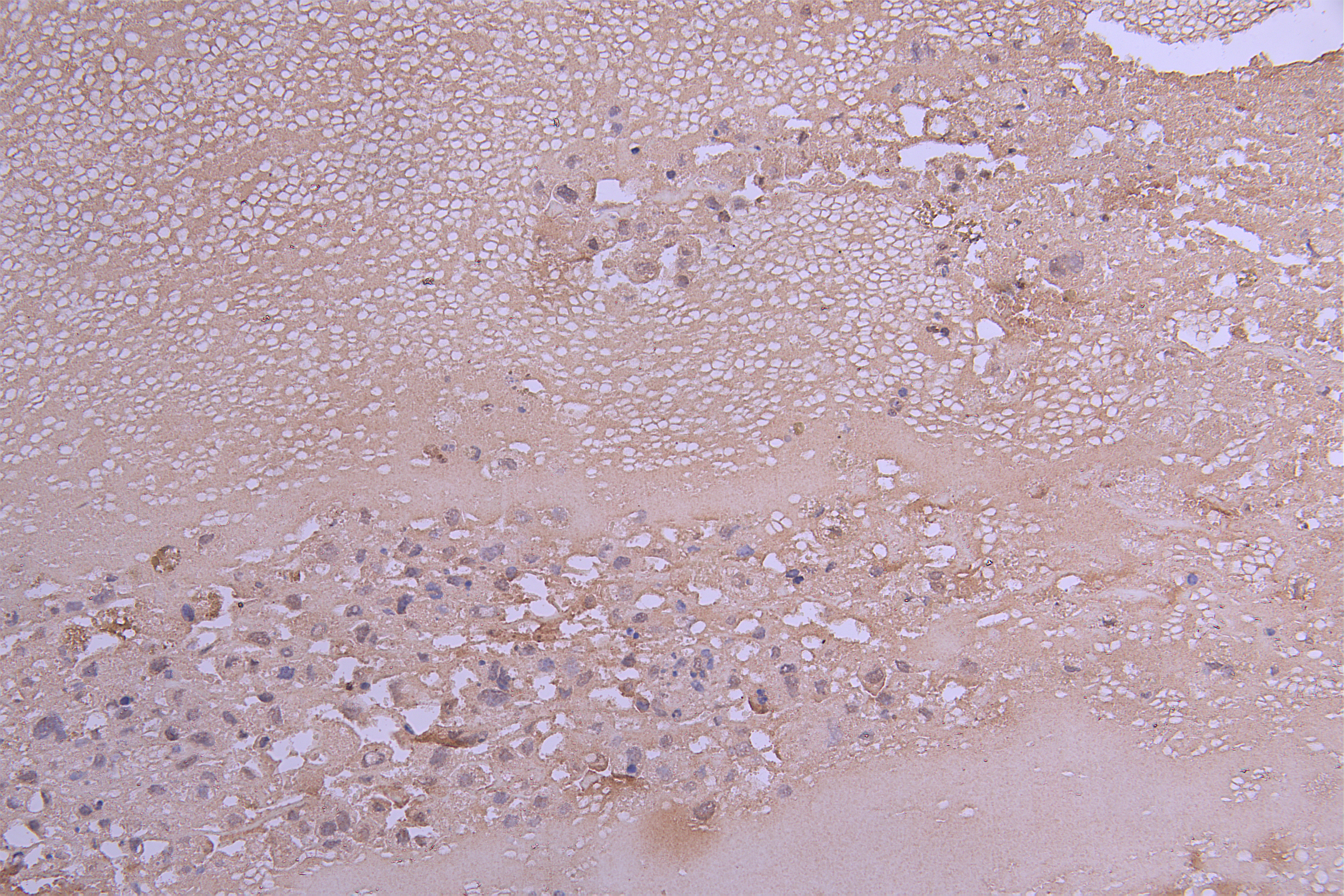
Validation in immunohistochemistry demonstrates effective performance in formalin-fixed, paraffin-embedded human tissues. Testing in human melanoma cancer tissue using a Leica Bond system with citrate buffer antigen retrieval (pH 6.0) and overnight primary antibody incubation at 4°C produced clear, specific staining at 1:100 dilution. The recommended working range of 1:50 to 1:200 provides flexibility for optimization across different tissue types and detection systems. The antibody is also validated for ELISA applications, supporting quantitative analysis workflows.
Researchers investigating immune cell trafficking in cancer, inflammatory cardiovascular conditions, or metabolic disease will find this antibody a dependable tool for characterizing CCL2 expression patterns in human clinical specimens.
There are currently no reviews for this product.





