

Call us
301-363-4651 (Available 9 a.m. to 5 p.m. CST from Monday to Friday)

Macrophage migration inhibitory factor (MIF), initially named for its ability to inhibit macrophage migration, is now widely recognized as a pleiotropic cytokine with pro-inflammatory and chemotactic properties. It is secreted by various immune and non-immune cells and participates in numerous pathological processes such as inflammation, autoimmunity, and cancer [1-3].
A unique aspect of MIF is its role as an endogenous counter-regulator of the anti-inflammatory effects of glucocorticoids [3], placing it at the core of immune balance. By binding to receptors such as CD74, CXCR2 and CXCR4, MIF forms a complex signaling network and mediates diverse biological effects [4-6].
MIF's distinctive molecular feature is its intrinsic keto-enol tautomerase activity, setting it apart from most classical cytokines [3]. MIF exists as a trimer, and its active site structure confers catalytic potential, enabling participation in various inflammation-related reactions [1]. Its molecular dynamic characteristics are closely related to its biological activity, holding significant importance for drug design [17].
Targeting MIF's enzymatic activity has become a focus of therapeutic research. For example, KRP-6, a potent MIF keto-enol tautomerase inhibitor, can block M1 macrophage polarization and oxidative stress responses [16]. Conversely, T-614 (iguratimod), a clinical anti-rheumatic drug, inhibits the MIF trimer allosterically, exhibiting non-competitive kinetic characteristics [1, 3]. Additionally, MIF-2 also possesses similar catalytic activity; its specific inhibitor 4-CPPC can selectively block MIF-2 binding to CD74, providing a tool for studying family functions [10]. These studies reveal that MIF's enzymatic activity and structural features are crucial for its biological roles.
MIF expression is regulated at multiple levels, involving transcription, translation, and responses to external stimuli. Pathogen-associated molecular patterns (e.g., LPS) can induce MIF expression, indicating its significant role in innate immunity [18].
The transcription factor ICBP90 (UHRF1) regulates MIF transcriptional activity by binding to the −794 CATT repeat sequence in the MIF gene promoter region; the length of this site is significantly associated with MIF expression and glucocorticoid resistance [19]. Furthermore, MIF promoter polymorphisms (−173 G/C, −794 CATT) are significantly associated with the risk of diseases like Alzheimer's disease [20]. These variants can influence MIF expression efficiency and individual susceptibility to disease [21, 22]. Understanding its genetic regulatory mechanisms is valuable for elucidating the pathogenesis and drug responses in MIF-related diseases.
MIF plays a central role in cell proliferation, migration, and inflammatory responses. Studies show that recombinant MIF can concentration-dependently promote cell proliferation and accelerate the G1/S phase transition in gastric cancer cells [23]. The mechanism involves upregulating Cyclin D1, downregulating p27(Kip1), and activating the PI3K/Akt signaling pathway. The PI3K inhibitor LY294002 can completely block these effects [23].
These findings indicate that MIF promotes cell proliferation by regulating the PI3K/Akt-Cyclin D1 axis, revealing its key role in tumor development.
MIF-2 (DDT) is the second member of the MIF family, sharing keto-enol tautomerase activity and receptor-binding characteristics with MIF-1 [10]. Large-scale compound screening identified 4-CPPC, which selectively inhibits MIF-2 enzymatic activity and blocks its binding to CD74, without affecting MIF-1-CD74 signaling [10]. This research highlights the uniqueness of MIF-2 in structure and function, providing a new direction for developing highly selective targeted drugs.
CD74, originally identified as an MHC class II chaperone, is also a high-affinity receptor for MIF and can independently mediate various biological functions [24]. In activated T cells, CD74 is significantly upregulated and forms a complex with CXCR4, participating in MIF-induced migration [4]. In various tumors, the CD74-MIF signal promotes cell proliferation, migration, and therapy resistance via pathways such as ERK and AKT [12, 29, 30].
In breast cancer, the AEP-CD74 axis activates ERK signaling to promote EMT, while inhibiting AEP and CD74 significantly reduces metastasis [32]. In multiple myeloma, glioblastoma, and others, upregulation of the MIF/CD74 signal is associated with immune escape and therapy tolerance [33-35]. Additionally, the MIF/CD74 axis also plays regulatory roles in diseases such as myasthenia gravis and endometriosis [36, 37].
Although MIF lacks a typical chemokine structure, it can bind to CXCR2 and CXCR4 via its N-like loop and pseudo-ELR motif [38]. The RLR sequence plays a key role in binding to CXCR4, and its binding mode differs from that of CXCL12 [39]. MIF acts as a partial allosteric agonist of CXCR4, modulating non-canonical G protein signaling pathways [38, 40].
The MIF-CXCR4 axis promotes cell survival and migration in diseases such as atherosclerosis and neuroblastoma [8], and, together with the NFKB2 pathway, participates in drug resistance mechanisms in acute myeloid leukemia [41]. Furthermore, sCD74 can induce necroptosis in cardiomyocytes by inhibiting the CXCR4-AKT axis, playing a regulatory role in heart failure [14].
Selective inhibition strategies targeting MIF-CXCR4, such as the peptide msR4M-L1, can specifically block this pathway while preserving the protective effects of CXCL12-CXCR4, showing good efficacy in an atherosclerosis model [42].
MIF regulates cell proliferation, inflammation, metabolism, and immune responses by activating multiple signaling pathways. Major pathways include ERK, JNK, NF-κB, and PI3K/Akt, with downstream effects encompassing cell survival, migration, inflammatory cytokine release, and immune polarization.
MIF binding to CD74 and its co-receptor CD44 activates the ERK, JNK, and NF-κB pathways [24, 30]. In thyroid cancer, 4-IPP, which inhibits MIF/CD74 internalization, activates the JNK pathway and induces apoptosis, suggesting the importance of this axis in regulating cell survival and proliferation [30].
In a breast cancer metastasis model, AEP enhances epithelial-mesenchymal transition by activating ERK signaling via CD74, while inhibiting AEP and CD74 significantly suppresses cancer cell migration [32]. In glioblastoma, the MIF/CD74 signaling inhibitor MN-166 reduces ERK phosphorylation and prolongs patient progression-free survival [35]. Additionally, blocking the MIF-CD74 axis can enhance radiotherapy-induced M1 polarization and increase radiosensitivity in a brain metastasis model [29].
The NF-κB pathway is also central to MIF-mediated inflammation regulation. Studies show that in FLT3-mutated acute myeloid leukemia, MIF and CXCR2 are upregulated after TKI treatment and activate the non-canonical NFKB2 pathway. Inhibiting NFKB2 significantly downregulates MIF and related inflammatory gene expression [41].
Furthermore, the small molecule inhibitor CSB6B can block osteoclast differentiation by promoting MIF degradation and inhibiting NF-κB activation, indicating the role of this pathway in inflammatory bone disease [43].
In lung tissue, WISP1 can induce the expression of MIF and its receptors CD74 and CD44, activate EGFR via Src, and initiate multiple pathway signals including NF-κB and PI3K/Akt, promoting the expression of inflammatory factors and remodeling-related molecules, revealing the important regulatory function of the WISP1-MIF axis in airway inflammation [31].Additionally, MIF participates in inflammation amplification and Th17 cell differentiation in rheumatoid arthritis [44] and mediates neuroinflammatory responses in chronic pain models [45]. In summary, MIF regulates cellular functions through a multi-layered signaling network, forming a pathological loop of inflammation-proliferation-migration.
MIF is not only an inflammatory mediator but also deeply involved in immunometabolic regulation. In rheumatoid arthritis, MIF promotes Th17 cell differentiation by directly binding to ATF6 and enhancing ATF6 pathway activity, thereby regulating the expression of STAT3 and RORC genes, driving Th17 differentiation, and exacerbating disease progression [44].
In the tumor microenvironment, MIF promotes immune escape by influencing macrophage polarization and energy metabolism. For example, in osteosarcoma, increased lactate levels upregulate MIF expression via histone H3K9 lactylation, thereby driving macrophage M2 polarization [46]. The combination of the MIF inhibitor 4-IPP and PD-1 antibody significantly inhibits tumor growth, demonstrating potential for synergistic immunotherapy [46].
Furthermore, MIF is regulated by the estrogen-GPER pathway; a hypoxic environment can induce upregulation of MIF and HIF-1α, while activating GPER lowers their levels, suggesting a key role for MIF in endocrine stress adaptation [47].
MIF can form heterocomplexes with other chemokines to modulate function. For instance, MIF forms a high-affinity complex with platelet-derived CXCL4L1, blocking MIF-mediated T cell chemotaxis and thrombosis [5]. This complex acts as an endogenous inhibitor by interfering with the MIF-CXCR4 binding pathway [5].
Additionally, soluble CD74 (sCD74) can synergize with MIF to induce necroptosis in cardiac fibroblasts. Mechanistically, sCD74 impairs MIF-mediated AKT activation, promotes p38 pathway activation, and induces RIP1/RIP3-dependent necrosis. The sCD74/MIF ratio is significantly decreased in the serum of heart failure patients, suggesting potential biomarker significance for this axis [14].
These studies indicate that MIF finely tunes signal intensity and directionality through interactions with different molecules, forming the molecular basis of its pleiotropy.
MIF is widely involved in the pathological processes of tumors, immune, metabolic, and cardiovascular diseases. Its pro-inflammatory and pro-survival properties make it an important regulatory factor in disease progression.
MIF exhibits pro-tumor activity in various cancers.
In gastric cancer, MIF promotes cell proliferation and G1/S transition by upregulating Cyclin D1, downregulating p27, and activating the PI3K/Akt pathway [23]. In pancreatic cancer, the MIF inhibitor ISO-1 effectively blocks tumor growth and inhibits cell migration and invasion [48]. In hepatocellular carcinoma, MIF inhibition is associated with mTOR pathway regulation [27].
MIF also plays a key role in tumor invasion and metastasis. In neuroblastoma, the bone marrow microenvironment induces CXCR4 upregulation, enhancing MIF signaling and PI3K/AKT and ERK activity; inhibiting MIF delays tumor progression and increases chemotherapy sensitivity [8]. In breast cancer, the AEP-CD74-ERK pathway promotes EMT, and inhibiting this axis significantly suppresses metastasis [32].
In osteosarcoma, lactate enhances MIF transcription via histone lactylation, driving macrophage M2 polarization; combined treatment with a MIF inhibitor and PD-1 antibody enhances anti-tumor immunity [46]. The MIF/CXCR4 axis promotes macrophage polarization in GIST and is associated with recurrence risk [7].
MIF, together with the HIF and NF-κB/IL-6 axes, promotes myeloid cell recruitment and angiogenesis in non-small cell lung cancer brain metastasis and head and neck squamous cell carcinoma [6, 29].
Furthermore, MIF/CD74 signaling is upregulated in thyroid cancer, melanoma, and multiple myeloma, closely associated with cell survival, therapy resistance, and immune escape [28, 30, 33, 34].
In clinical applications, serum MIF levels are associated with prognosis in some tumors. Elevated pre-treatment MIF levels in osteosarcoma patients are associated with poorer efficacy, while a post-treatment decrease suggests improved prognosis [51]. However, its efficacy as a standalone biomarker in lung cancer is limited [25].
These studies demonstrate that MIF systemically promotes tumor development by regulating cell proliferation, migration, and the immune microenvironment, potentially serving as a universal therapeutic target across multiple cancer types.
MIF is a potent pro-inflammatory factor, upregulated in diseases such as rheumatoid arthritis, asthma, and myasthenia gravis [1, 15, 37]. In RA, MIF promotes Th17 differentiation and exacerbates inflammation [44]; in an allergic asthma model, the MIF inhibitor SCD-19 effectively alleviates airway inflammation and tissue remodeling [15]; in myasthenia gravis, MIF-CD74 signaling enhances B cell survival and positively correlates with disease severity [37].
MIF is also involved in acute liver injury, chronic kidney disease, and TAA-induced nephrotoxicity, manifested as enhanced oxidative stress and pro-fibrotic responses [1, 2, 11]. Its inhibitor, iguratimod, significantly improves survival rates and reduces oxidative stress in liver injury models [3].
In neurodegenerative diseases, MIF secreted by peripheral immune cells can exacerbate Alzheimer's disease pathology via CD74-CD44 signaling [13]. In the cardiovascular system, a decreased sCD74/MIF ratio is associated with heart failure progression [14]. These results indicate that MIF plays a central driving role in multi-system inflammation and immunopathology.
Macrophage migration inhibitory factor (MIF), as an important target for inflammation and immune regulation, is seeing diversified trends in related drug research and development. Current investigational drugs include small molecule chemicals, antibodies, PROTACs, gene therapies, and other types, with mechanisms covering MIF inhibition, CD74 inhibition, oxMIF targeting, etc. These drugs are being explored extensively in fields such as oncology, inflammatory diseases, neurodegenerative diseases, and fibrosis. Multiple institutions globally are involved in R&D, with most projects in the preclinical stage. Only ibudilast has been approved for marketing, marking the progression of drug development for this target from basic research towards clinical translation.
| Drug Name | Mechanism of Action | Drug Type | Investigated Indications | Research Institution(s) | Highest Phase |
|---|---|---|---|---|---|
| Ibudilast | MIF inhibitor | PDE10A inhibitor | PDE11A inhibitor | PDE3 inhibitor | PDE4 inhibitor | TLR4 antagonist | Small Molecule Chemical Drug | Asthma | Cerebral Hemorrhage | Cervical Spondylotic Myelopathy | Amyotrophic Lateral Sclerosis | Post-COVID-19 Sequelae, etc. | KYORIN Pharmaceutical Co., Ltd. | The Ohio State University | MediciNova, Inc. | University of Pennsylvania | Portland VA Medical Center | Approved |
| Imalumab | MIF inhibitor | Immunomodulator | Monoclonal Antibody | Ascites | Colorectal Cancer | Cytokine PharmaSciences, Inc. | Phase 2 |
| IPG-1094 | MIF Inhibitor | Small Molecule Chemical Drug | Lupus Nephritis | Locally Advanced Malignant Solid Tumors | Melanoma | Lung Cancer Brain Metastasis | Inflammatory Bowel Disease | Nanjing Aimeiqi Biopharmaceutical Technology Co., Ltd. | Phase 2 |
| Fibrosis(Apaxen) | MIF Inhibitor | Chemical Drug | Fibrosis | Apaxen SA | Preclinical |
| 4-IPP | MIF Inhibitor | Small Molecule Chemical Drug | Acute Myeloid Leukemia | Centre Hospitalier Universitaire Vaudois | Preclinical |
| MFC-1040 | MIF inhibitor | NLRP3 inhibitor | Small Molecule Chemical Drug | Asthma | Idiopathic Pulmonary Fibrosis | Pulmonary Arterial Hypertension | Sorbonne Paris Cité | Apaxen SA | Institut National de la Santé et de la Recherche Médicale | Université Paris-Saclay | Assistance Publique des Hôpitaux de Paris SA | Mifcare | Preclinical |
| INV-88 | MIF Inhibitor | Small Molecule Chemical Drug | Tumors | Neurological Diseases | Fibrosis | Hematologic Tumors | Rheumatoid Arthritis | Solid Tumors | Innovimmune Biotherapeutics, Inc. | Preclinical |
| RGB097 | MIF Inhibitor | Small Molecule Chemical Drug | Tumors | University of Groningen | Preclinical |
| Zr89-ON102 | MIF Inhibitor | Diagnostic Radiopharmaceutical | Solid Tumors | OncoOne Research & Development GmbH | Preclinical |
| THOR-213 | CD74 inhibitor | MIF inhibitor | ASO | Cachexia | Thor Therapeutics Inc. | Preclinical |
| Hit-1(WuXi AppTec ) | MIF Inhibitor | Small Molecule Chemical Drug | Sepsis | WuXi AppTec Co., Ltd. | Nanjing Medical University | Preclinical |
| MD13 | MIF Degrader | Protein Degradation | Protein Hydrolysis-Targeting Chimera (PROTAC) | Lung Cancer | University of Groningen | Preclinical |
| Compound 37 (University of Pecs) | MIF Inhibitor | Small Molecule Chemical Drug | Septic Shock | University of Pecs | Preclinical |
| ON05+Lu177-di-HSG | Histamine succinyl glycine inhibitor | MFN2 regulator | oxMIF inhibitor | Bispecific Antibody | Therapeutic Radiopharmaceutical | Colorectal Cancer | Head and Neck Cancer | Pancreatic Cancer | Gastric Cancer | OncoOne Research & Development GmbH | Preclinical |
| ISO-1 | MIF Inhibitor | Small Molecule Chemical Drug | Prostatitis | Disc Degeneration | Myositis | Ross River Fever | Soochow University | University of Canberra | Griffith University | Anhui Medical University | Jiangsu University | Preclinical |
| MIF-PROTAC(Princess Máxima Center) | MIF Degrader | Protein Hydrolysis-Targeting Chimera (PROTAC) | Neuroblastoma | Prinses Máxima Centrum voor Kinderoncologie BV | Preclinical |
| PAANIB-1 | MIF Inhibitor | Chemical Drug | Parkinson's Disease | The Johns Hopkins University | Preclinical |
| ON-102 | oxMIF Inhibitor | Diagnostic Radiopharmaceutical | Inflammation | Solid Tumors | OncoOne Research & Development GmbH | Preclinical |
| P-EHC | MIF Inhibitor | Chemical Drug | Ischemia | Reperfusion Injury | China Pharmaceutical University | Preclinical |
| ON-203 | oxMIF Inhibitor | Monoclonal Antibody | Colorectal Cancer | Lung Cancer | OncoOne Research & Development GmbH | Preclinical |
| Napa-001(NapaJen Pharma) | MIF Inhibitor | Oligonucleotide | Ulcerative Colitis | Rheumatoid Arthritis | NapaJen Pharma, Inc. | Preclinical |
| ON-104 | oxMIF Inhibitor | Monoclonal Antibody | Nephritis | Asthma | Inflammatory Bowel Disease | Rheumatoid Arthritis | OncoOne Research & Development GmbH | Preclinical |
| DRalpha1-hMOG-35-55 (Virogenomics Biodevelopment) | CD74 inhibitor | HLA class II antigen modulator | MIF inhibitor | Recombinant Protein | Multiple Sclerosis | Virogenomics, Inc. | Preclinical |
| MFC-2040 | MIF Inhibitor | Small Molecule Chemical Drug | Pulmonary Arterial Hypertension | Mifcare | Preclinical |
| PAV-174 | MIF Inhibitor | Small Molecule Chemical Drug | Alzheimer's Disease | Prosetta Biosciences, Inc. | Preclinical |
| AAV-PHP.eB-MIF-HA | MIF Inhibitor | AAV Gene Therapy | Amyotrophic Lateral Sclerosis | - | Preclinical |
| M1 | MIF Inhibitor | Monoclonal Antibody | Inflammation | Zavod Republike Slovenije ZA Transfuzijsko Medicino | Preclinical |
(Data as of November 8, 2025, source: synapse)
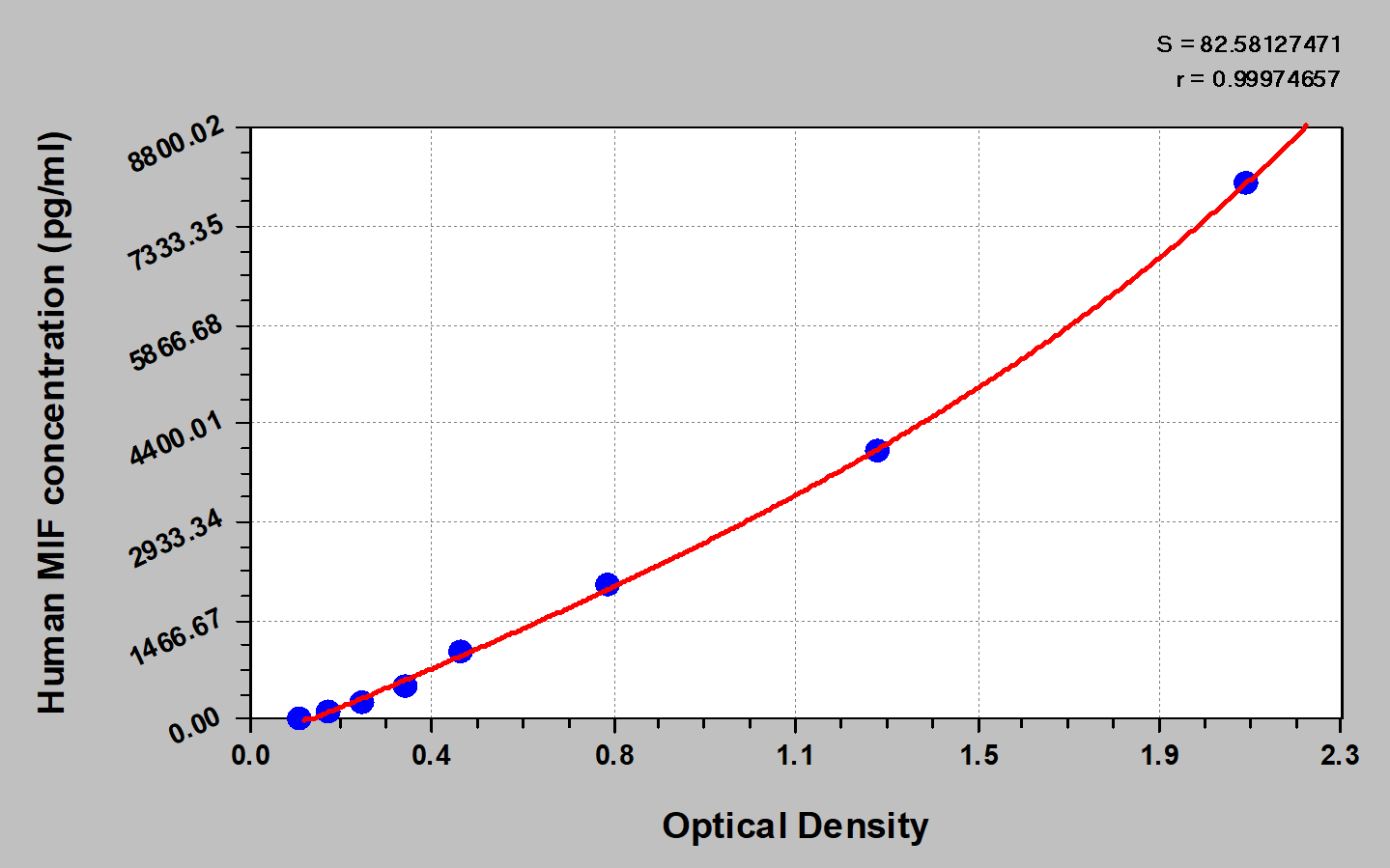
Macrophage migration inhibitory factor (MIF) is a pleiotropic cytokine that plays a key role in inflammation, autoimmune diseases, malignant tumors, and multi-organ injury. Its unique glucocorticoid counter-regulatory property makes it an important molecular target for inflammation and immune regulation. Huamei Bio provides MIF recombinant proteins, antibodies, and ELISA kits to support your related mechanism research and targeted drug development.
● MIF Recombinant Protein
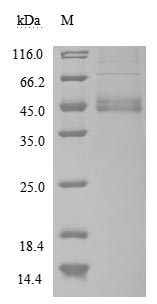
Recombinant Human Macrophage migration inhibitory factor (MIF) (Active); CSB-MP013826HU
● MIF Antibodies
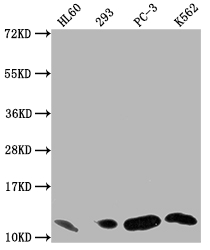
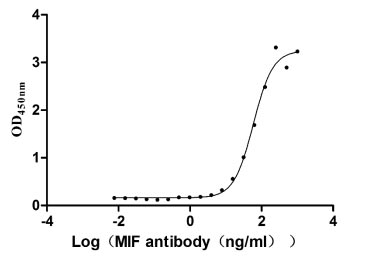
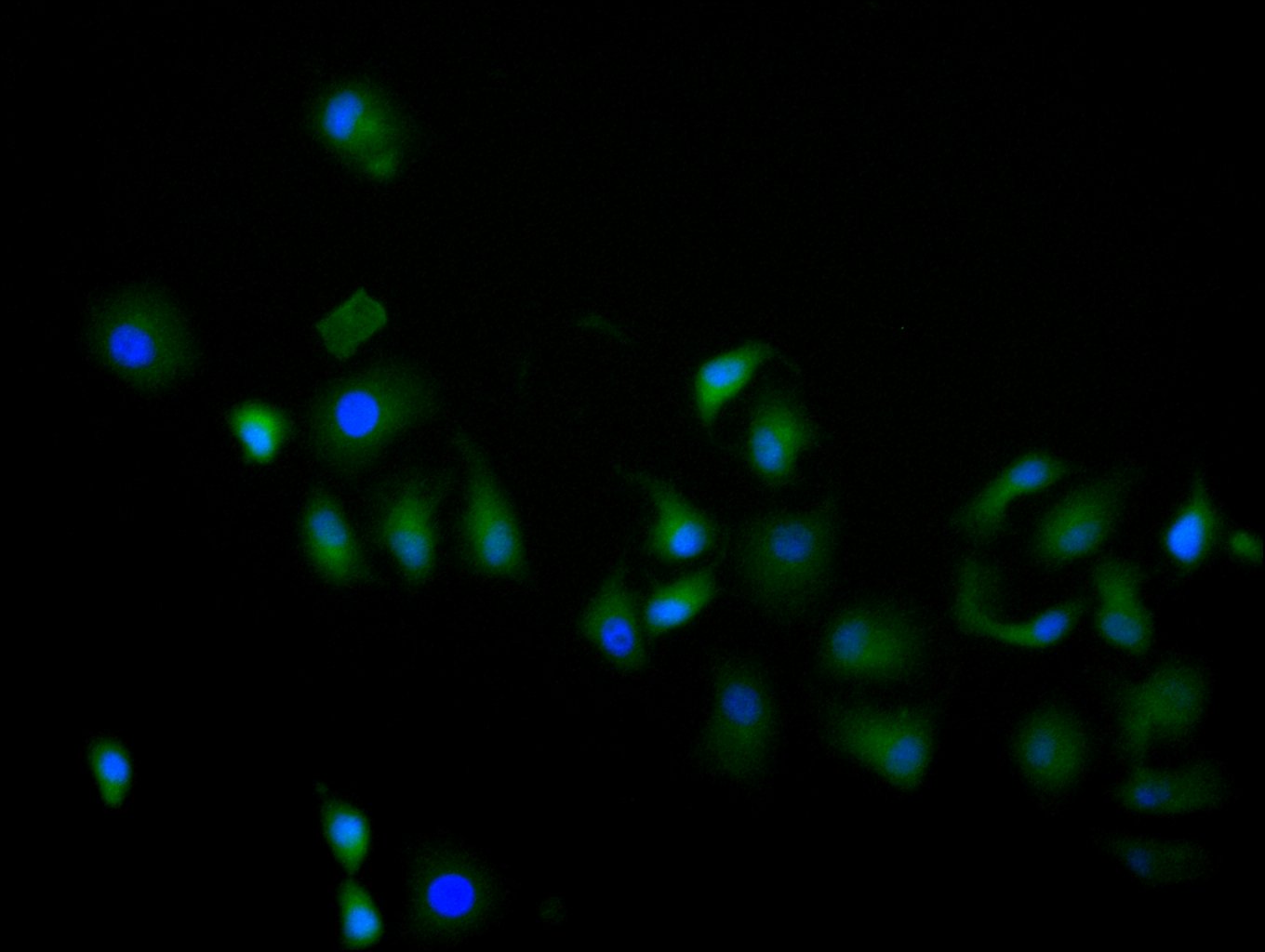
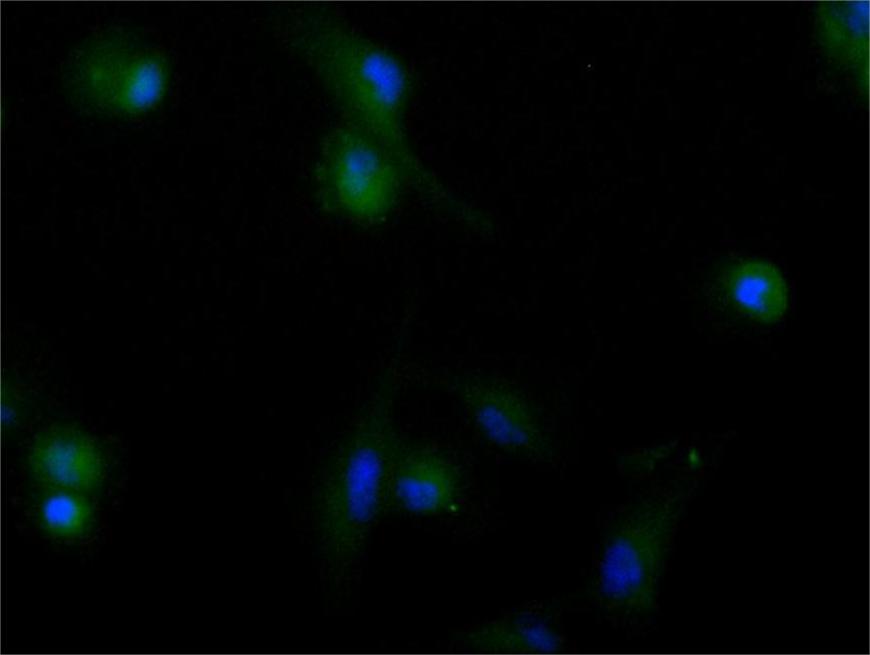
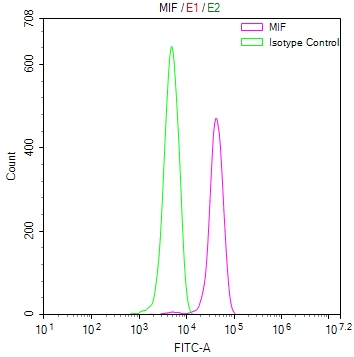
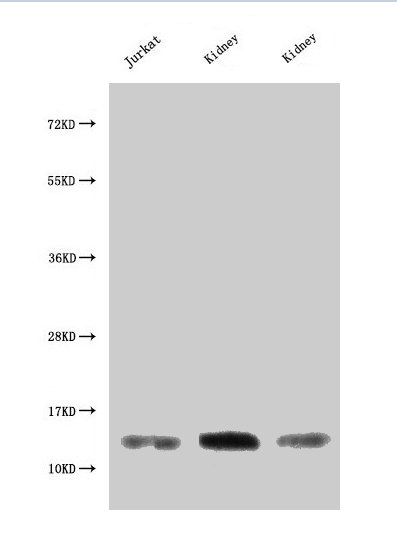
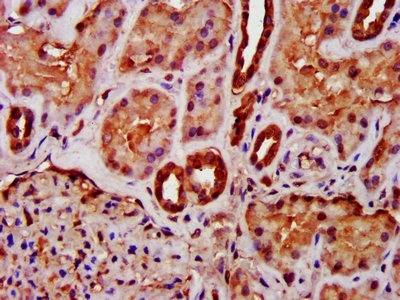
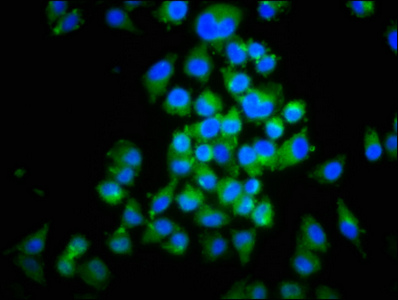
MIF Recombinant Monoclonal Antibody; CSB-RA013826MA1HU
● MIF ELISA Kit
References
[1] Joshua Bloom, Georgios Pantouris, Mingzhu He, B. Aljabari, Lopa Mishra, Ramu Manjula, A. Parkins, E. Lolis, Yousef Al-Abed.(2024). Iguratimod, an allosteric inhibitor of macrophage migration inhibitory factor (MIF), prevents mortality and oxidative stress in a murine model of acetaminophen overdose.
[2] Bojan Jorgačević, S. Stanković, Jelena Filipović, J. Samardžić, D. Vučević, T. Radosavljević.(2022). Betaine modulates MIF-mediated oxidative stress, inflammation, and fibrogenesis in Thioacetamide-induced Nephrotoxicity.
[3] Joshua Bloom, C. Metz, Saisha A Nalawade, J. Casabar, K. Cheng, Mingzhu He, B. Sherry, T. Coleman, T. Forsthuber, Y. Al-Abed.(2016). Identification of Iguratimod as an Inhibitor of Macrophage Migration Inhibitory Factor (MIF) with Steroid-sparing Potential*.
[4] Lin Zhang, Iris Woltering, Mathias Holzner, Markus Brandhofer, Carl-Christian Schaefer, Genta Bushati, Simon Ebert, Bishan Yang, Maximilian Muenchhoff, J. Hellmuth, C. Scherer, Christian Wichmann, David Effinger, Max Hübner, O. El Bounkari, Patrick Scheiermann, J. Bernhagen, A. Hoffmann.(2024). CD74 is a functional MIF receptor on activated CD4+ T cells.
[5] Markus Brandhofer, A. Hoffmann, X. Blanchet, Elena Siminkovitch, Anne-Katrin Rohlfing, O. El Bounkari, Jeremy Nestele, Alexander Bild, Christos Kontos, Kathleen Hille, Vanessa Rohde, Adrian L. Fröhlich, Jona Golemi, O. Gokce, C. Krammer, P. Scheiermann, N. Tsilimparis, N. Sachs, W. Kempf, L. Maegdefessel, Michael K. Otabil, R. Megens, H. Ippel, R. Koenen, Junfu Luo, B. Engelmann, K. Mayo, M. Gawaz, A. Kapurniotu, C. Weber, P. von Hundelshausen, J. Bernhagen.(2021). Heterocomplexes between the atypical chemokine MIF and the CXC-motif chemokine CXCL4L1 regulate inflammation and thrombus formation.
[6] G. Zhu, Yaling Tang, Ning Geng, Min Zheng, Jian Jiang, Ling Li, Kaide Li, Zhengge Lei, Wei Chen, Yun-long Fan, Xiang-rui Ma, Longjiang Li, Xiaoyi Wang, Xin-hua Liang.(2014). HIF-α/MIF and NF-κB/IL-6 axes contribute to the recruitment of CD11b+Gr-1+ myeloid cells in hypoxic microenvironment of HNSCC.
[7] Shuo-meng Xiao, Rui Xu, Ying-xin Yang, Rui Zhao, Yuan Xie, Xu-dan Lei, Xiao-ting Wu.(2024). Gastrointestinal stromal tumors regulate macrophage M2 polarization through the MIF/CXCR4 axis to immune escape.
[8] Laura Garcia-Gerique, Marta García, Alícia Garrido-Garcia, Soledad Gómez-González, M. Torrebadell, E. Prada, Guillem Pascual-Pasto, Oscar Muñoz, S. Perez-Jaume, Isadora Lemos, Noelia Salvador, Mònica Vilà-Ubach, Ana Doncel-Requena, M. Suñol, A. Carcaboso, J. Mora, C. Lavarino.(2022). MIF/CXCR4 signaling axis contributes to survival, invasion, and drug resistance of metastatic neuroblastoma cells in the bone marrow microenvironment.
[9] D. Rodrigues, Elisa B. Prestes, Leandro de Souza Silva, A. Pinheiro, J. Ribeiro, A. Dicko, P. Duffy, M. Fried, I. Francischetti, E. Saraiva, Heitor A. Paula Neto, M. Bozza.(2019). CXCR4 and MIF are required for neutrophil extracellular trap release triggered by Plasmodium-infected erythrocytes.
[10] P. Tilstam, G. Pantouris, M. Corman, M. Andreoli, K. Mahboubi, G. Davis, Xin Du, L. Leng, E. Lolis, R. Bucala.(2019). A selective small-molecule inhibitor of macrophage migration inhibitory factor-2 (MIF-2), a MIF cytokine superfamily member, inhibits MIF-2 biological activity.
[11] A. Bruchfeld, J. Carrero, A. Qureshi, B. Lindholm, P. Bárány, O. Heimburger, M. Hu, Xinchun Lin, P. Stenvinkel, E. Miller.(2009). Elevated Serum Macrophage Migration Inhibitory Factor (MIF) Concentrations in Chronic Kidney Disease (CKD) Are Associated with Markers of Oxidative Stress and Endothelial Activation.
[12] Cintia D’Amato-Brito, Davide Cipriano, D. Colin, S. Germain, Y. Seimbille, J. Robert, F. Triponez, V. Serre-Beinier.(2016). Role of MIF/CD74 signaling pathway in the development of pleural mesothelioma.
[13] Bo Liu, Wei Luo, Ling Huang, Chun-ying Wei, Xiaorui Huang, Jun Liu, Ran Tao, Yingmin Mo, Xuebin Li.(2024). Migration Inhibition Factor Secreted by Peripheral Blood Memory B Cells Binding to CD74-CD44 Receptor Complex Drives Macrophage Behavior in Alzheimer’s Disease.
[14] Josefin Soppert, S. Kraemer, C. Beckers, Luisa Averdunk, J. Möllmann, B. Denecke, A. Goetzenich, G. Marx, J. Bernhagen, C. Stoppe.(2018). Soluble CD74 Reroutes MIF/CXCR4/AKT‐Mediated Survival of Cardiac Myofibroblasts to Necroptosis.
[15] H. Dunbar, I. Hawthorne, C. Tunstead, M. E. Armstrong, S. Donnelly, K. English.(2023). Blockade of MIF biological activity ameliorates house dust mite‐induced allergic airway inflammation in humanized MIF mice.
[16] Eszter Vámos, N. Kálmán, E. Sturm, B. Nayak, Julia Teppan, V. Vántus, D. Kovács, Lilla Makszin, Tamás Loránd, Ferenc Gallyas, Balázs Radnai.(2023). Highly Selective MIF Ketonase Inhibitor KRP-6 Diminishes M1 Macrophage Polarization and Metabolic Reprogramming.
[17] G. Pantouris, Junming Ho, Junming Ho, D. Shah, Syed, L. Leng, Vineet Bhandari, Vineet Bhandari, R. Bucala, Victor S. Batista, J. P. Loria, E. Lolis.(2018). Nanosecond Dynamics Regulate the MIF-Induced Activity of CD74.
[18] Laura La Paglia, M. Vazzana, M. Mauro, F. Dumas, A. Fiannaca, A. Urso, V. Arizza, A. Vizzini.(2023). Transcriptomic and Bioinformatic Analyses Identifying a Central Mif-Cop9-Nf-kB Signaling Network in Innate Immunity Response of Ciona robusta.
[19] Jie Yao, L. Leng, Weiling Fu, Jia Li, C. Bronner, R. Bucala.(2021). ICBP90 Regulates MIF Expression, Glucocorticoid Sensitivity, and Apoptosis at the MIF Immune Susceptibility Locus.
[20] Kübra Şahin, A. Rustemoglu.(2023). Investigation of MIF gene promoter variations and their haplotypes in the Alzheimer disease in Turkish population.
[21] C. J. Baños-Hernández, J. E. Navarro-Zarza, R. Bucala, J. Hernández-Bello, I. Parra-Rojas, M. G. Ramírez-Dueñas, S. García-Arellano, Luis Alexis Hernández-Palma, Andrea Carolina Machado-Sulbarán, J. Muñóz-Valle.(2019). Macrophage migration inhibitory factor polymorphisms are a potential susceptibility marker in systemic sclerosis from southern Mexican population: association with MIF mRNA expression and cytokine profile.
[22] N. Yazdani, M. Ashtiani, M. M. Zarandy, S. Mohammadi, H. Ghazavi, Elnaz Mahrampour, P. Amiri, M. Amoli.(2013). Association between MIF gene variation and Meniere’s disease.
[23] Guoqing Li, Juan Xie, Xiao-yong Lei, Li Zhang.(2009). Macrophage migration inhibitory factor regulates proliferation of gastric cancer cells via the PI3K/Akt pathway.
[24] R. Lindner.(2017). Invariant Chain Complexes and Clusters as Platforms for MIF Signaling.
[25] A. Rupp, Sophie Bahlmann, Nicolai Trimpop, J. von Pawel, S.Holdenrieder.(2023). Lack of clinical utility of serum macrophage migration inhibitory factor (MIF) for monitoring therapy response and estimating prognosis in advanced lung cancer.
[26] Nour K. Younis, Z. Solhjou, Hengcheng Zhang, Abdullah B. El Kurdi, Ahmad Halawi, R. Bucala, Dongliang Zhang, Jamil R. Azzi.(2023). MIF-CD74: A Novel Inflammatory Pathway that Suppresses Allograft-Infiltrating Tregs During Rejection.
[27] Shuai Lin, Qianwen Sheng, Xiao-bin Ma, Shanli Li, P. Xu, Cong Dai, Meng Wang, Huafeng Kang, Zhijun Dai.(2022). Marsdenia tenacissima Extract Induces Autophagy and Apoptosis of Hepatocellular Cells via MIF/mToR Signaling.
[28] K. Tanese, Y. Hashimoto, Z. Berková, Yuling Wang, F. Samaniego, Jeffrey E. Lee, S. Ekmekcioglu, E. Grimm.(2015). Cell Surface CD74-MIF Interactions Drive Melanoma Survival in Response to Interferon-γ.
[29] Lichao Liu, Jian Wang, Ying Wang, Lingjuan Chen, Ling Peng, Ya-wen Bin, Peng Ding, Ruiguang Zhang, Fan Tong, Xiaorong Dong.(2024). Blocking the MIF-CD74 axis augments radiotherapy efficacy for brain metastasis in NSCLC via synergistically promoting microglia M1 polarization.
[30] L. Varinelli, Dario Caccia, C. Volpi, C. Caccia, M. De Bortoli, E. Taverna, A. Gualeni, Valerio Leoni, A. Gloghini, G. Manenti, I. Bongarzone.(2015). 4-IPP, a selective MIF inhibitor, causes mitotic catastrophe in thyroid carcinomas.
[31] M. Christopoulou, S. Skandalis, Eleni Papakonstantinou, Daiana Stolz, A. Aletras.(2023). WISP1 induces the expression of macrophage migration inhibitory factor in human lung fibroblasts through Src kinases and EGFR-activated signaling pathways.
[32] Junsong Chen, Wenke Xu, Luyang Meng, Xin Zhang, Meng Lin, Sheng Zhang, Yi Liu, Fang Guo.(2025). The Combination of MIF Inhibitor and AEP Targeted Inhibitor to Reduce Lung Metastasis in Breast Cancer and Its Mechanism.
[33] Xinzhuo Chen, Renhua Huang, Huiping Wang, Hao Xiao, Qian Li, Zhimin Zhai, Zhitao Wang.(2024). Single Cell RNA-Seq Analysis Revealed MIF/CD74 Pathway Determinants of BCMA CART Resistance in Relapsed/Refractory Multiple Myeloma.
[34] Alessandro Canella, S. Rajendran, Matthew Nazzaro, Claire Schmitt, Daniel Kreatsoulas, Wesley Wang, P. Rajappa.(2024). IMMU-15. CD74/MIF SIGNALING AXIS DISRUPTION IN BONE MARROW-DERIVED MYELOID CELLS DELAYS MALIGNANT PROGRESSION IN A PRECLINICAL MODEL OF GLIOMA.
[35] Justin D. Lathia, Adam Lauko, Kazuko Matsuda, Malath Makhay, L. Nayak, U. Chukwueke, Eudocia Lee, D. Reardon, R. Beroukhim, Tracy T. Batchelor, E. Aquilanti, P. Wen.(2023). CTIM-36. IMMUNOHISTOCHEMISTRY EVALUATION ON PRE-TREATMENT TUMOR TISSUE PREDICTS TREATMENT RESPONSE TO MN-166 (IBUDILAST) AND TEMOZOLOMIDE COMBINATION THERAPY IN GLIOBLASTOMA PATIENTS.
[36] W. Nothnick, A. Graham.(2022). Dissecting the miR-451a-Mif Pathway in Endometriosis Pathophysiology Using a Syngeneic Mouse Model: Temporal Expression of Lesion Mif Receptors, Cd74 and Cxcr4.
[37] Paula Terroba-Navajas, I-Na Lu, Isaak Quast, M. Heming, C. Keller, L. Ostendorf, A. E. Hauser, R. Mothes, Helena Radbruch, Frauke Stascheit, Andreas Meisel, H. Wiendl, G. Meyer zu Hörste, Nick Willcox, Jan D. Lünemann.(2025). Single-Cell Transcriptomics Identifies a Prominent Role for the MIF-CD74 Axis in Myasthenia Gravis Thymus.
[38] D. Rajasekaran, Sabine Gröning, C. Schmitz, S. Zierow, Natalie Drucker, M. Bakou, Kristian Kohl, A. Mertens, H. Lue, C. Weber, Annie Xiao, G. Luker, A. Kapurniotu, E. Lolis, J. Bernhagen.(2016).
Macrophage Migration Inhibitory Factor-CXCR4 Receptor Interactions.[39] M. Lacy, Christos Kontos, Markus Brandhofer, Kathleen Hille, Sabine Gröning, Dzmitry Sinitski, P. Bourilhon, E. Rosenberg, C. Krammer, T. Thavayogarajah, G. Pantouris, M. Bakou, C. Weber, E. Lolis, J. Bernhagen, A. Kapurniotu.(2018). Identification of an Arg-Leu-Arg tripeptide that contributes to the binding interface between the cytokine MIF and the chemokine receptor CXCR4.
[40] Cristina Perpiñá-Viciano, Ali Işbilir, Aurelien M. Zarca, B. Caspar, L. Kilpatrick, S. Hill, M. Smit, M. Lohse, C. Hoffmann.(2020). Kinetic Analysis of the Early Signaling Steps of the Human Chemokine Receptor CXCR4.
[41] H. Cao, Verena Tadros, Benjamin Hiramoto, Kevin Leeper, C. Hino, Jeffrey Xiao, Bryan Pham, Do Hyun Kim, M. Reeves, C. Chen, J. Zhong, Ke K. Zhang, Linglin Xie, Samiksha Wasnik, David J. Baylink, Yi Xu.(2022). Targeting TKI-Activated NFKB2-MIF/CXCLs-CXCR2 Signaling Pathways in FLT3 Mutated Acute Myeloid Leukemia Reduced Blast Viability.
[42] Christos Kontos, O. El Bounkari, C. Krammer, Dzmitry Sinitski, Kathleen Hille, C. Zan, Guangyao Yan, Sijia Wang, Ying Gao, Markus Brandhofer, R. Megens, A. Hoffmann, J. Pauli, Y. Asare, Simona Gerra, P.
Bourilhon, L. Leng, H. Eckstein, W. Kempf, J. Pelisek, O. Gokce, L. Maegdefessel, R. Bucala, M. Dichgans, C. Weber, A. Kapurniotu, J. Bernhagen.(2020). Designed CXCR4 mimic acts as a soluble chemokine receptor that blocks atherogenic inflammation by agonist-specific targeting.[43] Kangtao Jin, Lin Zheng, Ziang Xie, L. Ye, Jiawei Gao, C. Lou, Wenzheng Pan, Bin Pan, Shijie Liu, Zhenzhong Chen, D. He.(2020). Chicago sky blue 6B (CSB6B), an allosteric inhibitor of macrophage migration inhibitory factor (MIF), suppresses osteoclastogenesis and promotes osteogenesis through the inhibition of the NF-κB signaling pathway.
[44] Guozhi Yan, Rongrong Song, Jieyu Zhang, Zhihao Li, Zhantao Lu, Zijian Liu, Xiaokang Zeng, Jie Yao.(2024). MIF promotes Th17 cell differentiation in rheumatoid arthritis through ATF6 signal pathway.
[45] Shaojing Ye, N. Agalave, Fei Ma, Dlovan F. D. Mahmood, Asma Al-Grety, P. E. Khoonsari, L. Leng, Camilla I. Svensson, R. Bucala, Kim Kultima, Pedro L. Vera.(2024). MIF-Modulated Spinal Proteins Associated with Persistent Bladder Pain: A Proteomics Study.
[46] Weidong Chen, Yan Liao, Hao Yao, Yutong Zou, Ji Fang, Jiongfeng Zhang, Zehao Guo, Jian Tu, Junkai Chen, Zijun Huo, Lili Wen, Xianbiao Xie.(2025). Multiomics integration analysis identifies tumor cell-derived MIF as a therapeutic target and potentiates anti-PD-1 therapy in osteosarcoma.
[47] Prosperl Ivette Wowui, Richard Mprah, Marie Louise Ndzie Noah, J. Adu-Amankwaah, Anastasia Wemaaatu Lamawura Kanoseh, Li Tao, Diana Chulu, Simon Kumah Yalley, Saffia Shaheen, Hong Sun.(2025). Estrogen via GPER downregulated HIF-1a and MIF expression, attenuated cardiac arrhythmias, and myocardial inflammation during hypobaric hypoxia.
[48] B. Cheng, Qiaofang Wang, Yaodong Song, Yanna Liu, Yanyan Liu, Shujun Yang, Dejian Li, Yan Zhang, Changju Zhu.(2020). MIF inhibitor, ISO-1, attenuates human pancreatic cancer cell proliferation, migration and invasion in vitro, and suppresses xenograft tumour growth in vivo.




Comments
Leave a Comment